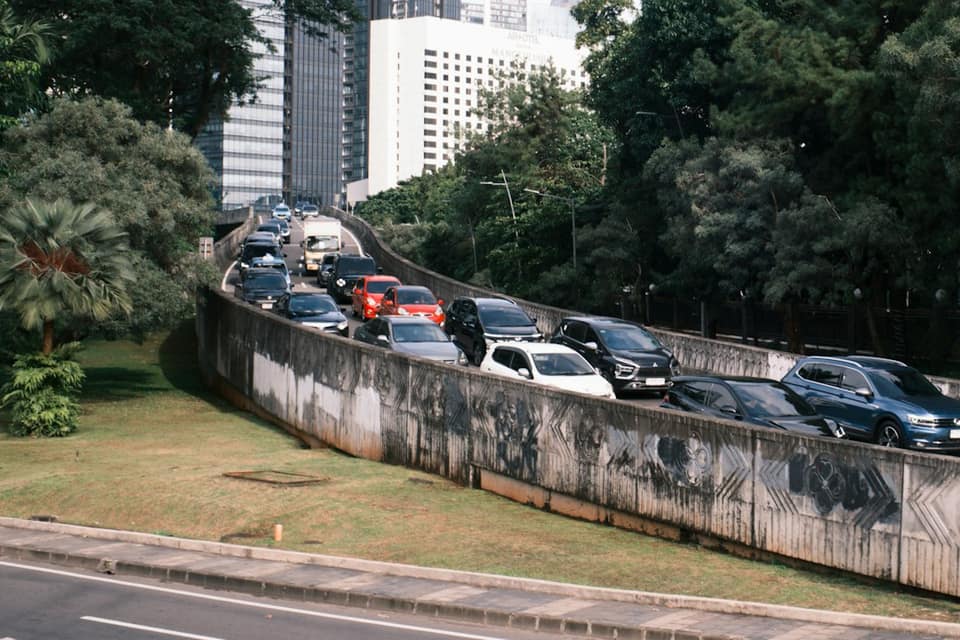
Expressways move a lot of traffic at steady speed. Most problems start at the edges: the slip road in, the lane change, the exit out. A careful driver plans these moments early and keeps space around the car. This piece takes each situation in turn, from joining the PIE or CTE to stopping safely on the shoulder.
The speed limits and the penalties for breaking expressway rules are not covered here. LTA's OneMotoring site sets them out.
Before you join
Know your route before you set off. Check which expressway you need and the exit you will leave by. Knowing this early means no last-second lane changes later.
Set the navigation before moving, not while driving. If you are unsure of the exit, it is fine to note the one before it. That gives you warning to move left in good time.
Joining from the slip road
The slip road is there to help you match the speed of the traffic already on the expressway. Use its full length.
- Signal early so drivers on the expressway see your intention.
- Check your right mirror, then glance over your right shoulder for the blind spot.
- Build up speed along the slip road so you arrive at a similar pace to the traffic.
- Pick a gap and move into it smoothly. Do not aim for a gap that needs the other driver to brake.
Avoid stopping at the end of the slip road unless traffic leaves no choice. Joining from a standstill is far harder than joining at speed.
If you are already on the expressway, watch the slip roads ahead. Where it is safe, moving one lane to the right makes room for joining cars. If you cannot move over, keep a steady speed so joining drivers can judge you.
Choosing and keeping a lane
Singapore drives on the left, so the left lanes suit steady, slower traffic. The right lanes are for overtaking. After you pass a slower vehicle, move back left when it is safe.
Staying in the right lane with clear space on your left holds up traffic. It also tempts others to overtake on your left, which is riskier for everyone.
For each lane change, keep to the same order every time:
- Check the mirror on the side you are moving to.
- Signal, and give others a moment to see it.
- Check the blind spot over your shoulder.
- Move across smoothly, one lane at a time.
Do not linger alongside another vehicle, especially lorries and buses. Their drivers may not see you. Either drop back or pass cleanly.
Watch the overhead signs. Lanes on Singapore expressways split towards other expressways and exits. A lane you are in may end or turn off. Reading the signs early lets you move across calmly.
Holding a long gap
A long gap to the car in front is the simplest safety habit on an expressway. It gives you time to react and room to stop.
One way to judge it is to pick a fixed point, such as a lamp post or a gantry. When the car ahead passes it, count slowly. If you reach the point before you finish a steady count of a few seconds, you are too close. Ease off.
Make the gap longer in these conditions:
- Rain, or a wet road after a storm
- At night, when you see less of the road
- Behind lorries, which block your view ahead
- In slow, bunched traffic where speeds change suddenly
If another car cuts into your gap, do not close up to make a point. Lift off gently and let the gap grow again.
If someone is driving close behind you, do not brake to warn them. Keep a steady speed. Move left when it is safe and let them pass.
Leaving the expressway
Look for the exit signs well before your exit. Move into the left lane early, so you are not cutting across traffic at the end.
Signal, then move into the exit lane. Do most of your slowing in the exit lane, not on the main expressway. Braking hard in a through lane surprises the drivers behind.
If you miss your exit, carry on to the next one. Never stop, reverse or cut across the painted chevrons to reach a missed exit. A few extra minutes is a small cost.
After leaving, check your speed. A long stretch at expressway pace can make a slower road feel slower than it is.
Driving through tunnels
Singapore has long road tunnels on the KPE, the MCE and part of the CTE. They need a few extra habits.
- Switch your headlights on before you enter.
- Take off sunglasses so your eyes adjust to the lighting.
- Stay in your lane and follow the lane markings. Change lanes only where the markings allow.
- Keep the same long gap. Stopping distances do not shrink in a tunnel.
- Watch the signs and lane signals above the lanes. They may close a lane or warn of a hazard ahead.
If traffic stops in a tunnel, leave space to the car in front. That space helps if vehicles need to move or someone needs to get out.
The rules for driving in tunnels, and what to do in an emergency inside one, are set out on LTA's OneMotoring site. Reading them before you need them is worth the time.
Heavy rain on the expressway
A sudden storm can cut visibility in seconds. Slow down gradually and switch on your headlights. Lengthen the gap well beyond your dry-weather habit.
Standing water can make tyres lose grip. Avoid sudden steering or braking. If spray from a lorry blinds you, drop back until you can see again.
Hazard lights can hide your brake lights and confuse other drivers when you are still moving. Check the current rules on their use on OneMotoring.
If your car breaks down
Warning lights, strange noises or a loss of power are signs to act early. Leave at the next exit if you can. A side road is safer than the shoulder.
If you must stop on the expressway, take these steps:
- Switch on your hazard lights.
- Move onto the shoulder on the left, as far from traffic as you can.
- Turn the wheels away from the traffic and apply the handbrake.
- Get everyone out through the doors on the side away from traffic.
- Wait in a safe place away from the car, behind the barrier if there is one. Do not stand behind the car or between it and passing traffic.
- Call for help.
Do not try repairs on the traffic side of the car. Passing vehicles may come closer than you expect.
The rules on warning signs after a breakdown, and the help LTA offers on expressways and in tunnels, are on OneMotoring. Check them before a long drive, not at the roadside.
After an accident on the expressway
Safety comes first. Switch on your hazard lights and get everyone to a safe place. If anyone is hurt, call for emergency help straight away.
When it is safe, note what you can:
- Photos of the vehicles, their positions and the road
- Car plate numbers of the vehicles involved
- Names and contact details of the other drivers
- Details of any witnesses
Whether and when an accident must be reported is set by the Singapore Police Force. Check its guidance for what applies to you.
Your insurer will also want to hear about the accident. Each insurer in Singapore runs its own claims process, mostly online. The claims page lists where to start, and help is on hand for large or complicated claims. Check your policy for what it asks you to do and by when.
A claim can affect your no-claim discount, and you may need to pay the excess. Knowing how both work before a long drive takes some stress out of the moment, if it ever comes.
Car insurance through Shenton Brokers
Before you drive off or renew, get your car insurance through Shenton Brokers. See which cars cost least to insure, or look up your own model's prices from every insurer we compare. Or get a quote with your own details.