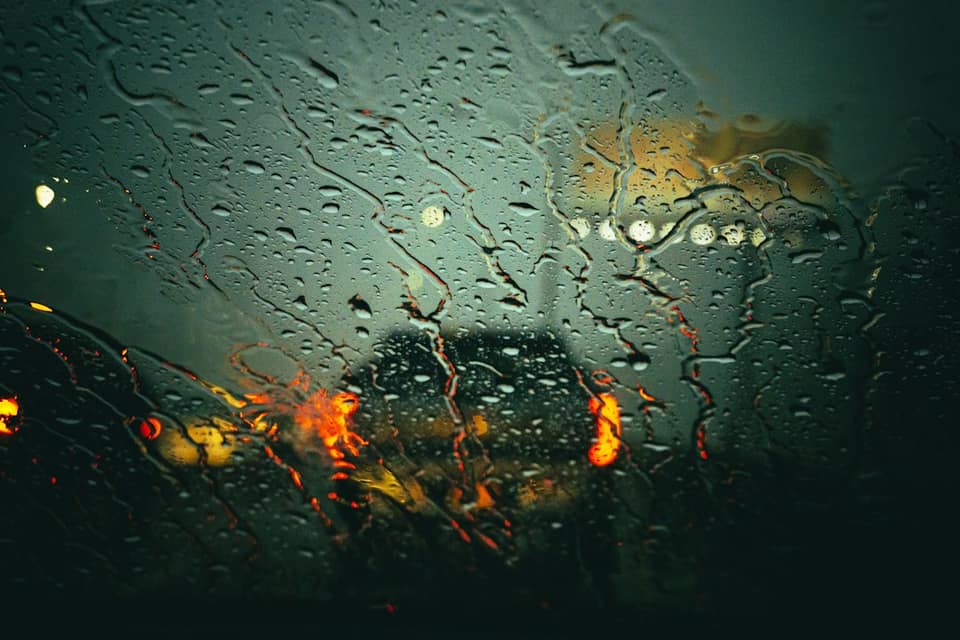
Rain in Singapore often arrives fast and with little warning. A clear road can turn grey within minutes. Visibility drops, water pools in dips and drains can overflow. The habits below help a driver stay calm and in control when the sky opens.
Check the car before the wet weather
Most rain trouble starts with small things left unchecked. A few minutes in the car park can prevent them.
- Wiper blades. Look for streaks, smearing or juddering. Cracked or hard rubber clears water poorly.
- Washer fluid. Keep the bottle topped up. Road grime and spray build up fast in the wet.
- Tyres. Check the tread and the pressure. Worn tread cannot clear water well. The legal minimum tread depth is set by LTA, and OneMotoring has the current rule.
- Lights. Walk round the car with the headlights, brake lights and indicators on. Ask someone to help with the brake lights.
- Windows. Clean the inside of the glass too. A film on the inside makes fogging and glare worse.
Slow down early
Wet roads give less grip than dry ones. The car takes longer to stop, and it slides more easily in a turn. The speed limit is a maximum for good conditions, not a target in a storm.
Ease off before the rain is at its heaviest. Do it gently, so the driver behind has time to react. Keep every input smooth. Brake earlier and more softly. Steer with steady hands. Accelerate gradually out of junctions and bends.
Avoid cruise control in heavy rain. The driver needs full control of speed if the tyres lose grip.
Leave much more room
The gap to the car ahead is the driver's main safety margin in the rain. A simple way to judge it:
- Watch the car ahead pass a fixed point, such as a lamp post or a sign.
- Count slowly until your own car reaches the same point.
- If you reach it sooner than you would in the dry, drop back.
In a downpour, the gap needs to be far longer than on a dry day. If another car cuts into the space, ease off and rebuild it. A long gap also keeps you out of the worst of the spray from the car ahead.
See clearly and be seen
Heavy rain makes every car harder to spot, especially dark ones in grey light.
- Headlights. Switch on dipped headlights as soon as the rain starts, even in the afternoon. They help other drivers see you.
- High beam. Leave it off. Light bounces back off the falling rain and makes it harder to see.
- Fog lights and hazard lights. There are rules on when these may be used. Hazard lights while moving can hide your indicators and confuse other drivers. Check OneMotoring for LTA's current rules.
- Wipers. Match the wiper speed to the rain. Turn them up before the screen floods, not after.
- Demisting. Turn the air-conditioning on and aim it at the windscreen. Use the rear demister as well. Keep side windows clear so mirrors stay usable.
If the screen fogs suddenly, keep the car straight and slow down while it clears. Do not wipe the glass by hand while moving.
Know what aquaplaning feels like
Aquaplaning happens when a layer of water builds up between the tyres and the road. The tyres lose contact and the car stops responding normally.
Common signs:
- The steering suddenly feels light.
- The engine revs rise without the car speeding up.
- The car seems to float or drift.
What a careful driver does:
- Lift off the accelerator gently.
- Hold the steering straight.
- Do not brake hard or jerk the wheel.
- Wait for the tyres to grip again, then carry on more slowly.
To lower the risk, slow down where water lies on the road. Drive in the tracks of the car ahead, where the tyres have pushed some water aside. Watch for puddles near the kerb and around drains.
Flooded roads and flash floods
Some low-lying roads, underpasses and dips can flood quickly in a storm. The water can rise faster than drivers expect.
If the depth is unclear, do not drive in. Water can hide potholes, kerbs and open drains. It can also enter the engine or reach the car's electrics, and the damage can be serious. Turn round if it is safe, or wait for the water to go down.
If the water is clearly shallow and there is no other way:
- Wait for oncoming cars to pass, so their wave does not hit you.
- Drive through slowly and steadily, without stopping.
- Avoid making a bow wave in front of the car.
- Once out, press the brakes lightly a few times to dry them.
Basement car parks can also flood in very heavy rain. When a big storm is expected, some drivers park on a higher deck of a multi-storey car park instead.
Whether flood damage is covered depends on the policy. The wording on flood and water damage differs from policy to policy, so it is worth reading that part before the rainy months.
Expressways and heavy vehicles
Expressways bring higher speeds and more spray. Lorries and buses throw up thick sheets of water.
- Avoid sitting alongside a heavy vehicle. Either drop back or pass it.
- Overtake only when needed. Do it steadily, not with a sudden burst.
- Lane markings can vanish under water. Hold your lane and watch the cars around you.
- Signal early for exits, and slow down before the slip road, not on it.
- Expect sudden braking ahead where traffic bunches up near exits and merges.
When to stop, and how to do it safely
Sometimes the rain is so heavy that the road ahead disappears. Stopping can be the safer choice.
Look for a proper place to pull in, such as a petrol station, a car park or a lay-by. Signal early and slow down gradually. Stopping on an expressway shoulder is limited by the rules, so check OneMotoring for what is allowed. Once parked, switch on the hazard lights.
Avoid stopping under trees. Branches can fall in strong wind. Stay in the car during a thunderstorm unless it is unsafe. Wait until the rain eases and you can see clearly before rejoining traffic.
After the rain, and if something goes wrong
Roads stay slippery after the rain stops. Oil and grime rise to the surface, and puddles linger. Keep the longer gap until the road has dried.
If there is an accident:
- Stop and check whether anyone is hurt. Call for help if they are.
- Move to a safe spot if the cars can be moved.
- Take photos of the cars, the road, the weather and the scene.
- Exchange names, contact details and vehicle numbers with the other driver.
- Report the accident to the Singapore Police Force where the rules require it. Their site sets out when a report is needed.
- Tell your insurer promptly.
The site's claims page lists each insurer's own claims page by type of cover. Claiming directly with the insurer is usually the quickest route. A claim can affect the no-claim discount, and the excess is the part the driver pays first.
Car insurance through Shenton Brokers
Before you drive off or renew, get your car insurance through Shenton Brokers. See which cars cost least to insure, or look up your own model's prices from every insurer we compare. Or get a quote with your own details.