Deregistering a car takes it off Singapore's roads for good. It is usually done when a car is scrapped or exported before its Certificate of Entitlement (COE) runs out. If you do it early, part of what you paid can come back to you. This guide sets out what that money is, how the process runs and what to cancel on the way out.
This guide gives no rebate rates. The rules and figures come from LTA, and they can change. Check them on LTA's OneMotoring site before you decide.
What does deregistering a car mean?
A registered car has a COE, road tax and motor insurance tied to it. Deregistration ends the car's registration with LTA. After that, the car cannot be driven on public roads in Singapore.
Most owners deregister in one of two ways:
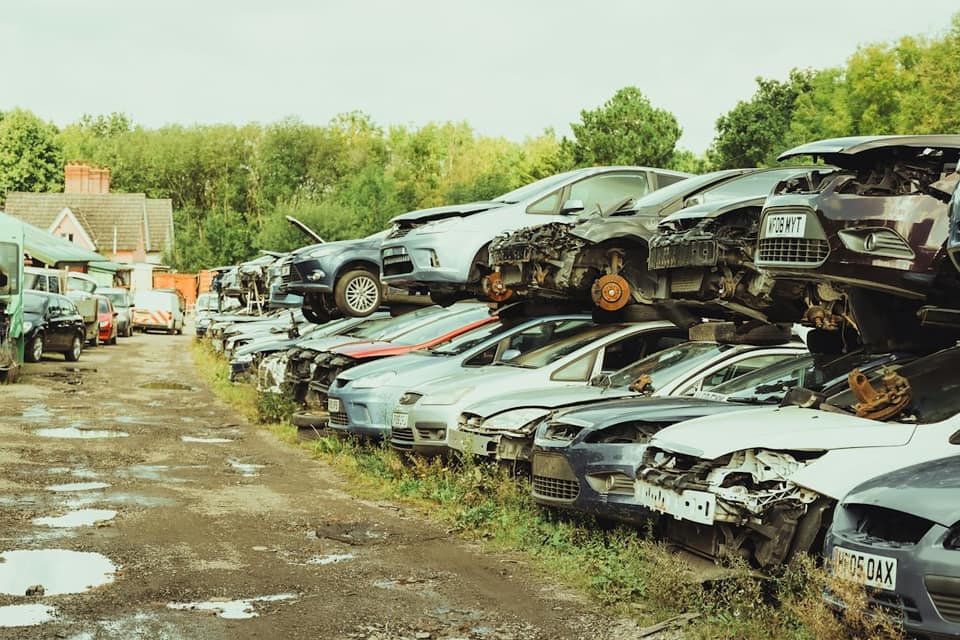
- Scrapping the car at a scrapyard in Singapore.
- Exporting the car to another country.
Some owners keep a car beyond its first COE by renewing the COE instead. That is a different choice. This guide covers ending the registration.
What money can you get back?
There are up to four amounts to think about. Two are rebates from LTA. Two are refunds of things you paid ahead.
The PARF rebate
PARF stands for Preferential Additional Registration Fee. When a car is first registered, the buyer pays an Additional Registration Fee (ARF). If the car is deregistered within a set age, part of that ARF comes back as a PARF rebate.
The share you get depends on the car's age when it is deregistered. The older the car, the smaller the share. Past a certain age, there is no PARF rebate at all. LTA sets the age bands and the rates, and OneMotoring shows them.
The COE rebate
The COE rebate covers the unused part of the COE. It is worked out from the COE amount paid for the car and the time left on it. A car with more months left gets a larger COE rebate.
Check the COE expiry date on your car's records. That date drives this rebate.
Unused road tax
Road tax is paid to LTA for 6 or 12 months at a time. If you deregister part way through, LTA may refund the unused balance. How the refund is counted is set by LTA, so check OneMotoring for the details.
The site's road tax page explains how road tax is worked out for petrol and electric cars.
Unused insurance premium
Your motor insurance does not end by itself when the car is deregistered. You need to cancel it. Many policies refund part of the premium for the unused period. The amount depends on the policy terms, so ask your insurer how they work it out.
Does today's COE price change your rebate?
No. The COE rebate is based on the COE paid for your car, not on today's result. In the October 2026, 2nd round, Category A closed at S$132,004 and Category B at S$131,901. Those figures matter if you plan to buy a new car. They do not change the rebate on the car you are giving up.
The site's COE page lists the latest results and the last 12 rounds.
What you need before you start
Gather these before you contact a scrapyard or an exporter:
- The car's log card details, including the registration date and COE expiry date.
- Your NRIC or company details as the registered owner.
- A statement from your car loan provider, if the loan is not fully paid.
- Your current insurance policy and the latest renewal notice.
- A record of any unpaid fines, ERP charges or parking charges on the car.
How to deregister a car, step by step
The exact process is on OneMotoring. In general terms, it runs like this:
- Check the rebates. Log in to OneMotoring and look up the PARF and COE rebate for your car. This tells you what LTA will pay back.
- Settle any car loan. A car under a loan usually cannot be deregistered until the loan is cleared. Ask your loan provider for the final settlement amount.
- Clear any unpaid charges. Outstanding fines or charges on the car can hold up deregistration.
- Choose how the car leaves the road. Arrange scrapping or export. Ask what the scrapyard or exporter pays for the car itself, apart from the rebates.
- Hand over the car. The scrapyard or exporter takes the car. Keep any receipts or certificates they give you.
- Submit the deregistration. This is done through LTA, often with the scrapyard or exporter's help. Check that the date is right, since it affects the rebates.
- Receive the rebates. LTA pays the rebates to the registered owner. If there is a loan, part may go to settle it first. OneMotoring explains how and when payment is made.
How do you cancel car insurance after deregistering?
Wait until the car is deregistered before you cancel. Until then, the car is still registered and still needs cover. A car cannot be on the road without motor insurance in place.
Then follow these steps:
- Contact your insurer and tell them the car has been deregistered.
- Give them the deregistration date and any proof they ask for.
- Ask how much premium will be refunded and when.
- Ask for a letter or notice that shows your no-claim discount (NCD) at the date of cancellation.
If the car is being used until the day it is handed over, keep the cover running until then. Cancelling too early leaves you uninsured on the drive to the scrapyard.
What happens to your no-claim discount?
Your NCD belongs to you, not the car. It moves with you to a new car and to a new insurer. Deregistering the car does not take it away.
An NCD may not stay valid forever if you have no car insured. Ask your insurer how long yours can stay unused. Keep the cancellation notice that shows your NCD. You will need it when you get a quote for your next car.
The site's no-claim discount guide covers how NCD works in more detail.
Things to check before you hand over the car
Run through this list before the car goes:
- Personal items. Check the glovebox, boot, door pockets and under the seats.
- In-vehicle unit. Remove any stored-value card from the IU.
- Season parking. Cancel any HDB or private car park season parking tied to the car.
- Automatic payments. Stop any recurring payments for road tax, parking or insurance on that car.
- Paperwork. Keep copies of the deregistration record, the rebate details and the insurance cancellation.
If you are replacing the car
Many owners deregister one car and buy another. Your new car needs insurance before it can be registered. Arrange cover once you know the delivery date, and check it starts on or before the registration date.
When you get quotes, have your NCD notice ready. Compare plans on the same cover, excess and workshop terms. The site's car insurance comparison shows prices from several insurers side by side.
Car insurance through Shenton Brokers
Before you drive off or renew, get your car insurance through Shenton Brokers. See which cars cost least to insure, or look up your own model's prices from every insurer we compare. Or get a quote with your own details.