Short answer
There is no single best time to visit Australia. The right month depends on where you go and what you want to do. The main weather risks are easy to plan around once you know them.
- The official tropical cyclone season runs from 1 November to 30 April.
- October to April is the peak time for severe weather.
- Spring is the bushfire season.
- Cyclones can still occur outside the official season.
If you want the lowest weather risk, look at the months outside October to April. If you want warm beach days, accept some risk and build flexibility into your plan.
How Australia's seasons work
Australia is in the southern hemisphere. Its seasons run opposite to places like Japan, Korea and Europe. When those places have winter, Australia has summer.
Australia is also very large. The tropical north and the cities in the south can have very different weather in the same week. A plan for the Great Barrier Reef needs different thinking from a plan for Melbourne or Tasmania.
Singapore has warm weather all year, so the change can surprise you. Pack for the region and the season, not for the country as a whole. Check the forecast for each city on your route before you leave.
Month by month
The travel notes give the key months for weather risk. Use them as a frame for your dates.
November to April
This is the official tropical cyclone season. It is also within the peak period for severe weather. Cyclones mainly affect the tropical north and coastal areas. Storms can disrupt flights, ferries, reef trips and road travel.
This window includes the warmer months, so it suits beach and coastal plans. Keep your bookings flexible and have a backup day or two.
May to September
These months fall outside the official cyclone season and outside the peak severe weather period. That makes them the lower-risk choice for weather. Cyclones can still occur, so keep checking forecasts.
These months cover the cooler part of the year. They suit city walks, food trips and road trips with plenty of driving.
October
October is when the peak severe weather period begins. It sits just before the official cyclone season starts. Watch forecasts closely if you travel in late October.
Summer
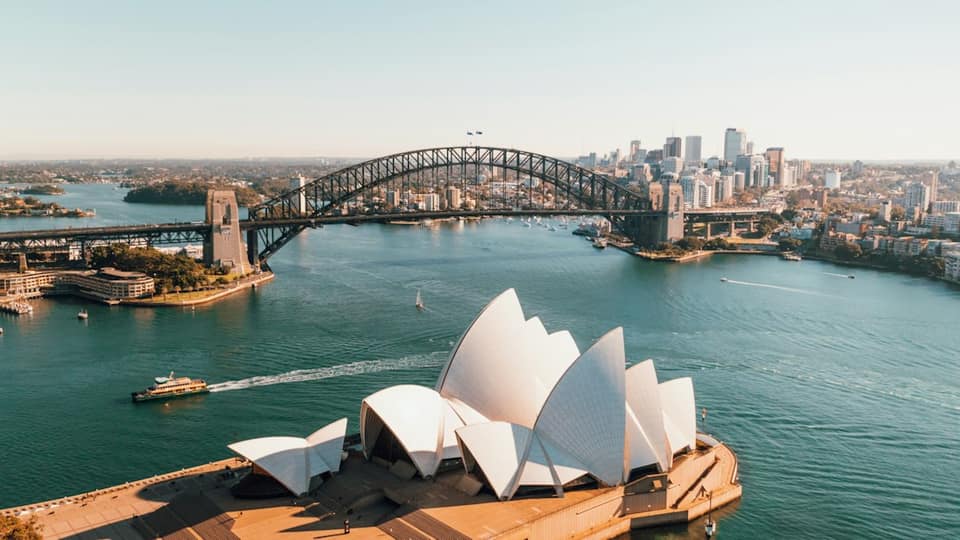
Summer is the hottest season. It is the time most people think of for Sydney Harbour, Bondi Beach and the Gold Coast. Long days give you more time outdoors.
Good for: beaches, swimming, coastal walks and outdoor events.
Watch for: summer falls inside the cyclone season and the severe weather peak. Storms in the north can cancel reef and island trips. Strong sun is also a factor, so plan shade and water for long days out.
Autumn
Autumn brings milder weather in the southern cities. It is a calm time for Melbourne's laneways, the Yarra Valley and the Blue Mountains.
Good for: city sightseeing, food trips, hiking and scenic drives.
Watch for: parts of autumn still fall within the official cyclone season. If your plan includes the tropical north, check the forecast close to your dates.
Winter
Winter is the coolest season. The southern cities and Tasmania get cold, especially at night and in the mountains. Pack warm layers, which many people in Singapore do not own.
Good for: cities, museums, markets, and trips to the outback and the north, such as Uluru and Kakadu.
Watch for: short days and cold mornings in the south. Some mountain roads may be affected by snow or ice. Check road conditions before a long drive.
Spring
Spring brings warmer days and gardens in bloom in many cities. It is a popular time for walks in parks and botanic gardens.
Good for: parks, gardens, city walks and wildlife spotting.
Watch for: spring is the bushfire season. Fires can close parks, walking tracks and roads at short notice. Smoke can affect air quality in nearby towns. If you plan to hike or camp, check fire warnings for that area each day.
Weather risks to plan around
Three risks shape most plans for Australia.
- Tropical cyclones. The official season runs from 1 November to 30 April. They can occur outside these months too. Avoid tight connections in the north during this window.
- Severe weather. October to April is the peak time. Heavy rain, hail and storms can delay flights and close roads.
- Bushfires. Spring is the bushfire season. Fires can change your route at short notice.
A few habits help with all three:
- Leave a spare day near the end of your trip.
- Avoid booking the last domestic flight of the day before your flight home to Changi.
- Check local forecasts and warnings each morning.
- Keep your accommodation and tour bookings flexible where you can.
- In an emergency, dial Triple Zero (000) and ask for police, fire or ambulance. From a mobile phone, you can also dial 112 to reach a Triple Zero operator.
Fitting the trip into Singapore school holidays
Many families in Singapore travel in the June holidays or the year-end holidays. Check the school calendar for the exact dates each year.
June holidays. June falls outside the official cyclone season and outside the peak severe weather period. It is a cooler time of year in Australia. Children used to Singapore weather will need jackets, especially in the south.
Year-end holidays. These holidays usually overlap with the cyclone season and the severe weather peak. They also tend to be a busy travel time from Changi. Book early and keep a spare day in your plan. A city-based trip in the south carries less cyclone risk than a trip to the tropical north.
Shorter breaks. The March and September school breaks are short. They suit a single city, such as Sydney, Melbourne or Perth. Check the season and any fire or storm warnings for those dates.
Fares and room rates rise during school holidays in both countries. Prices vary, so compare and check before you book.
Planning checklist
- Decide which regions you will visit, as the north and south differ.
- Check whether your dates fall between 1 November and 30 April.
- Check whether your dates fall in the October to April severe weather peak.
- If you travel in spring, plan for bushfire warnings and possible closures.
- Pack layers for cooler months, and sun protection for warmer months.
- Keep at least one spare day before your flight home.
- Save the emergency number: Triple Zero (000), or 112 from a mobile.
- Save the High Commission of the Republic of Singapore in Canberra: +61-2-6271-2000. Emergency contact: +61-414-733-944. MFA lists no other Singapore mission in Australia.
- Check entry rules and MFA's travel advice, linked on the Australia travel price page.
Frequently asked questions
What is the lowest-risk time to visit Australia for weather?
The months outside October to April carry the lowest risk. They fall outside both the official cyclone season and the peak severe weather period. Cyclones can still occur outside the official season, so keep checking forecasts.
Can you visit the Great Barrier Reef during cyclone season?
Yes, many people do. Storms can cancel boat trips at short notice, though. Plan reef days early in your stay so you have time to rebook if needed.
When is bushfire season in Australia?
Spring is the bushfire season. Fires can close parks, walking tracks and roads. Check local fire warnings each day if you plan to hike, camp or drive through bushland.
Are the June school holidays a good time to go?
They avoid the official cyclone season and the severe weather peak. The weather is cooler, so pack warm clothes. Prices vary in busy periods, so book early and compare.
Who should you contact in an emergency in Australia?
Dial Triple Zero (000) for police, fire or ambulance. From a mobile phone, 112 also reaches a Triple Zero operator. For consular help, contact the High Commission of the Republic of Singapore in Canberra.
Before you go: travel insurance for Australia
Before you fly, get your travel insurance through Shenton Brokers for your trip. Compare travel insurance for Australia to see today's prices from every insurer we compare, with the destination's travel notes and MFA's latest advice. Or get a quote for your own dates.
Buy it as soon as you book: trip cancellation pays only for events after the policy starts.