This guide covers travel insurance for older travellers. It explains what changes with age and how age limits differ between plans. It also covers what to declare, which parts of the cover to check, and what to have ready. It is general information. It is not advice on any one person's situation.
What changes with age
Age is one of the factors insurers use to set a travel insurance premium. Insurers charge more for older travellers. Some insurers stop covering travellers above 75, 80 or 85. The limit is set by each insurer, so it differs between plans. The insurer confirms the traveller's age when the application is made.
The example prices on this site are for one adult aged 18 to 59. They show how prices compare between insurers. They are not a guide to what an older traveller will pay.
What to check:
- The traveller's actual age is entered on the quote form.
- The maximum age the plan accepts, as stated in the policy wording.
- Whether the age limit applies on the date of purchase, the date of departure or the date of renewal.
- For a couple or family travelling together, whether each person is within the limit.
- Whether any benefit amounts change for older age bands. This differs between plans.
Declaring medical conditions
Medical conditions a traveller already had before buying are not covered, unless they are declared and the insurer accepts them. This matters for anyone with a condition that is being treated or monitored. A few plans cover pre-existing conditions, mostly on shorter single trips. A filter on the results page shows these plans.
Declaring a condition is not the same as having it covered. The insurer decides whether to accept it.
What to prepare and check:
- A list of each ongoing condition, with the medicines taken for it.
- Dates of any recent hospital stays, tests or changes in treatment.
- Full answers to every health question on the application.
- Written confirmation of what the insurer has accepted, if anything.
- Whether the plan you are looking at appears under the pre-existing conditions filter.
- Any question about whether something counts as a condition, asked to the insurer before buying.
Cover to check
Medical cover overseas matters most. Treatment in Japan, Europe or the United States can cost tens of thousands of dollars. Most insurers sell two to four plan levels. Higher levels pay more for medical bills, cancellation and lost bags. Benefit limits differ between plans, so the comparison page is the place to see them side by side.
Travel insurance of this kind generally covers:
- Medical treatment and hospital stays overseas.
- Emergency evacuation and repatriation back to Singapore.
- Trip cancellation and shortening for covered reasons, such as illness or a death in the family.
- Lost or damaged baggage and belongings.
- Travel delays and missed connections.
Things to compare between plans:
- The medical limit, and whether it suits the destination.
- The evacuation and repatriation limit.
- Which reasons for cancellation the plan accepts.
- Whether COVID-19 cover is included. Most plans now include it. Prices on this site include it unless "Not needed" is chosen in the filters.
Single trip or annual cover
A single-trip plan covers one journey, from the day the traveller leaves Singapore until the return. One trip means one departure from Singapore and one return. Most insurers here cover a single trip of up to 90 or 182 days. This is relevant for long stays, such as visiting children or grandchildren who live abroad.
Annual cover covers every trip in a year, each up to a set length, often 90 days. The traveller picks a region: ASEAN, Asia Pacific or worldwide. If the trips add up to more than about three weeks a year, annual cover usually costs less than buying a single-trip plan each time.
What to consider:
- The total number of days away in a typical year.
- The longest single trip planned, and whether it fits the plan's maximum length.
- The furthest place likely to be visited, which decides the region.
- Whether an annual plan can be renewed once the traveller reaches a certain age. Ask the insurer.
Before you leave
Trip cancellation cover starts the day the policy is bought. A plan bought as soon as the trip is booked can pay out if the traveller falls ill or a family member dies before departure. A plan bought the day before the flight gives none of that time.
What to have ready:
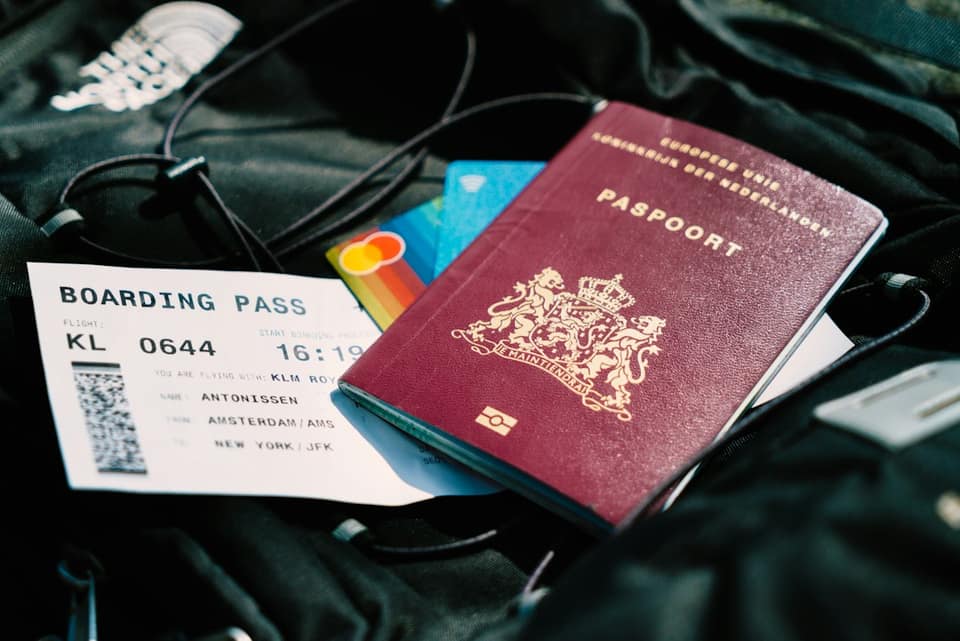
- Passport, travel dates and destinations.
- The list of medical conditions and medicines prepared for the application.
- The policy number and the insurer's emergency phone number, saved on the phone and on paper.
- A copy of the policy wording, kept where a family member in Singapore can find it.
- A check that the destination is not one the Ministry of Foreign Affairs advises against. Travel to such places is not covered.
During the trip and after
Some losses are not covered even with a valid plan. Belongings left unattended in a public place are excluded. So are losses while under the influence of alcohol or drugs. Keeping bags in sight at airports, train stations and markets helps avoid a loss the plan will not pay for.
If something goes wrong, the insurer will usually ask for documents. Collecting them at the time is easier than finding them later.
What to keep:
- Medical reports, bills and receipts from any doctor or hospital visit.
- A police report for any theft.
- Airline letters or messages confirming delays, cancellations or missed connections.
- Receipts for extra costs, such as meals or hotel nights caused by a delay.
- Boarding passes and booking confirmations.
The Claims page explains how to start a claim with the insurer.
Things to note
- The example prices on this site assume a traveller aged 18 to 59. Older travellers pay more, by an amount that differs between insurers.
- Declaring a medical condition does not mean it is covered. Only conditions the insurer accepts are covered.
- A plan that suited a trip last year may not suit this year. Age and health can change what a plan accepts.
- Age limits apply to each traveller. A family or group plan does not remove them.
- Buying close to departure shortens the time that cancellation cover can help.
Where to get help
To start a claim or see what documents are needed, go to the Claims page. For questions about using this site, use the Contact page. To compare plans for an upcoming trip, start on the travel insurance page. More general guides are on the guides page.