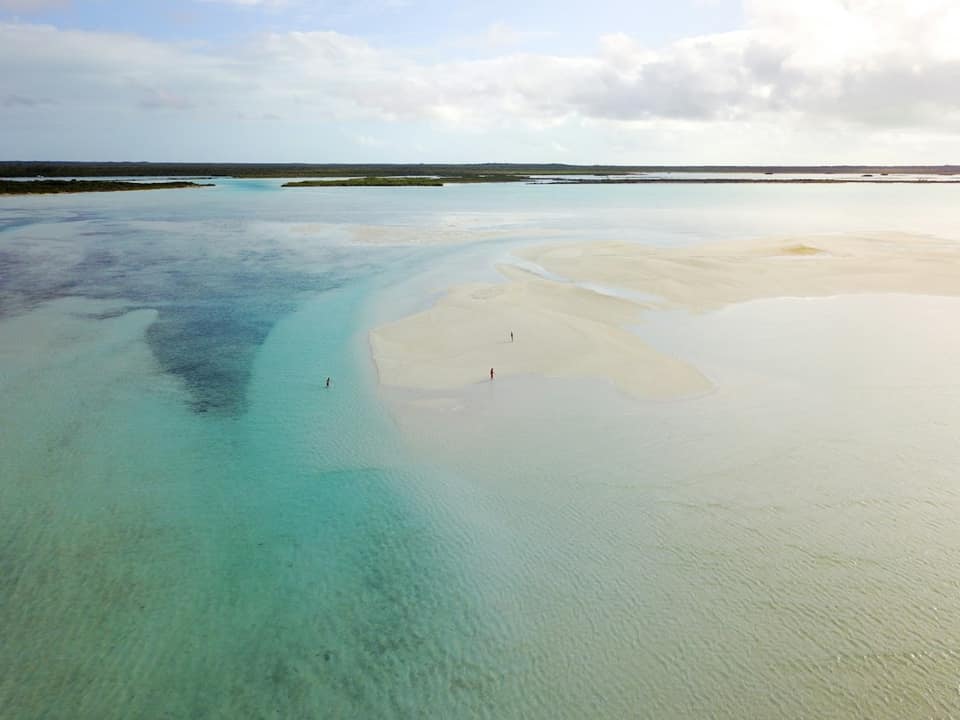
The Bahamas is about as far from Singapore as a holiday gets. It is a long chain of low, flat islands in the Atlantic, south-east of Florida. It is best known for water so clear and blue it looks edited. For a first-timer, it takes more planning than a weekend in Bangkok or a week in Tokyo.
The good news is that the basics are simple once you know them. English is the main language, the money is easy to work out, and traffic even keeps to the same side of the road as at home. Here are 12 things worth knowing before you book, from flights and cash to conch and courtesy.
Getting there takes a while
There is no quick hop from Changi to the Bahamas. Expect at least one connection, usually through a hub in North America or Europe, and a long stretch of travel on each side. Routes and transit rules change, so check the rules for any country you pass through before you pay for flights. Plan an easy first day, because your body clock will be close to upside down.
It is lots of islands, not one place
The Bahamas is made up of many islands and small cays, and most visitors start in Nassau on New Providence. Paradise Island sits just across a bridge from Nassau and is mostly big resorts. The quieter Out Islands, also called the Family Islands, include Exuma, Eleuthera, Andros and Grand Bahama, and each has its own feel. On a first trip, pick one or two islands rather than trying to see them all.
Mind the hurricane season
Hurricane season runs from June to November every year. If you are travelling before the end of November, your trip falls inside it. While you are there, keep an eye on the local news and follow what the local authorities tell you. Leave some slack in your plans, since flights and boats between islands can be held up by bad weather.
Getting around Nassau and beyond
In Nassau, the local minibuses are called jitneys, and they work a bit like a slower, chattier version of our feeder buses. Taxis are easy to find, but agree on the fare or ask how it is charged before you set off, since rates vary. To reach other islands, you take a small domestic flight or a ferry, and schedules can shift at short notice. If you rent a car, traffic keeps to the left like at home, though many cars there have the steering wheel on the left.
Bring US dollars, not just cards
The local currency is the Bahamian dollar, which is tied to the US dollar at the same value. US dollars are widely accepted, so you can use them side by side with local notes and get change in either. Cards work at hotels and larger shops, but carry some cash for jitneys, market stalls and small eateries. Before you fly, check the overseas fees on your card and let your bank know where you are going.
Check the bill before you tip
Tipping is a normal part of daily life here, which takes some getting used to after Singapore. Many restaurants add a gratuity to the bill, much like the service charge on a restaurant bill back home, so check before you add more. Taxi drivers, porters and tour guides usually expect a tip too. What counts as normal varies, so ask at your hotel's front desk if you are unsure.
Staying connected
Check your Singapore mobile plan's roaming options before you leave Changi, because rates for this part of the world can be steep. A local SIM card or an eSIM is another option if your phone supports it. Wi-Fi is common in Nassau, but signal can be patchier on the remote Out Islands, so download offline maps before you head out. Sockets are the US style, so pack an adapter and check that your chargers can handle the local voltage.
Save the swimwear for the beach
Beachwear is fine on the sand and by the pool. In town, in shops and in churches, people expect you to cover up a little more. You would not walk down Orchard Road in just your swimsuit, and the same thinking applies in Nassau. A shirt with shorts, or a light dress, works for most places.
Say good morning first
Bahamians tend to greet each other before getting down to business. Start with a good morning or good afternoon before you ask for directions or order food, as skipping it can come across as rude. Life moves at an easy pace, so service may feel slow if you are used to a lunchtime hawker centre queue. Ask before you take photos of people, especially vendors at their stalls.
Eat conch at least once
Conch, a large sea snail, is the national favourite and turns up on almost every menu. Try it as conch fritters, as cracked conch fried in batter, or as conch salad tossed with lime, onion and pepper. Arawak Cay, just west of downtown Nassau, has a strip of seafood stalls known as the Fish Fry that feels a little like a seaside hawker centre. Round off the meal with peas and rice, johnnycake, or guava duff for dessert.
Sort out health and entry checks early
MFA advises seeing your doctor before the trip for travel health advice, including any vaccinations that are required or recommended. Book that appointment a few weeks before you fly, not the week before. Entry rules and documents can change, and so can the rules in the countries you transit through. Read MFA's travel advice for the Bahamas, which you can find on our Bahamas price page, before you lock in your flights.
Know who to call
For emergencies in the Bahamas, dial 911 or 919. Singapore has no embassy or consulate in the Bahamas. If you need consular help, contact MFA's 24-hour Consular Response Centre on +65 6379 8800 or at [email protected]. Save these in your phone before you leave Changi, and write them down somewhere offline too, in case your phone runs out of battery.
Before you go: travel insurance for the Bahamas
Before you fly, get your travel insurance through Shenton Brokers for your trip. Compare travel insurance for the Bahamas to see today's prices from every insurer we compare, with the destination's travel notes and MFA's latest advice. Or get a quote for your own dates.
Buy it as soon as you book: trip cancellation pays only for events after the policy starts.