Most travel insurance claims do not pay back the full amount of a loss. A plan may keep back a portion of each claim, and that portion is called the excess. Some policies call it a deductible. The two words mean the same thing.
This piece explains what the excess is and why insurers use it. It covers when the excess applies and when it does not, and how it differs between plans. It ends with three worked examples of a claim on a trip from Singapore.
The excess is a small part of the policy wording, but it decides how much reaches the traveller after a loss. It is worth reading before a trip, not after a claim.
1. What the excess is
The excess is the part of a covered claim that the policyholder pays. The insurer pays the rest, up to the limit for that benefit. If a covered loss is smaller than the excess, the insurer pays nothing for it.
Insurers use an excess for two reasons. Small claims cost money to process, and an excess removes many of them. It also means the policyholder shares a little of each loss. Both effects help keep premiums down across all buyers.
An excess is not the same as a co-payment. An excess is a set sum. A co-payment is a share of the bill, so it grows as the bill grows. A travel plan may use either, both or neither. The policy wording says which.
2. Where an excess can sit in a travel plan
A travel plan is a bundle of separate benefits. Each one can carry its own excess, or none. The main benefits are:
- Medical treatment and hospital stays overseas
- Emergency evacuation and repatriation
- Trip cancellation and shortening for covered reasons
- Lost or damaged baggage and belongings
- Travel delays and missed connections
A plan may apply an excess to some of these and not to others. Benefits that pay a fixed sum for an event, such as a set amount for a delay of a stated length, may have no excess at all. Benefits that repay a bill or the value of an item are where an excess is more likely to appear.
The wording also says how often the excess is taken. It may be taken once for each claim, once for each event, or once for each person on a family plan. Two lost bags from one theft may count as one event or two. This detail changes the amount paid, so it is worth finding in the wording.
3. When the excess does not come into play
The excess only matters when a claim is covered. If the loss falls under an exclusion, nothing is paid, and the excess never arises. The common exclusions in travel plans include:
- Medical conditions the traveller already had before buying, unless declared and accepted
- Travel to places the Ministry of Foreign Affairs advises against
- Losses while under the influence of alcohol or drugs
- Belongings left unattended in a public place
The excess also does not apply to benefits the plan sets out without one. And it does not apply when a claim is turned down for another reason, such as missing documents. The Claims page sets out what an insurer usually asks for.
4. How the excess differs between plans
The size of the excess differs between plans, and so does where it applies. One plan may have an excess on medical claims only. Another may apply it to baggage and leave medical claims without one. A third may have none on any benefit.
Plans also differ within one insurer. Most insurers sell two to four levels of cover. Higher levels pay more for medical bills, cancellation and lost bags. The excess may also change from one level to the next. The figures differ between plans, so the plan's own documents are the place to confirm them.
When comparing plans, three questions help. Which benefits carry an excess? How large is it on each? Is it taken per claim, per event or per person? The comparison page lets two insurers be set side by side.
5. How a higher excess changes the premium
In general, a higher excess means a lower premium. The insurer pays less on each claim and handles fewer small ones. A lower excess, or none, usually costs more.
Some plans let the buyer choose the excess, or offer a way to reduce it for an extra charge. Others fix it. Where there is a choice, the question is how much risk the traveller is willing to carry. A higher excess suits someone who can absorb a small loss abroad without strain.
The excess is only one reason premiums differ. Destination, length of trip, who is travelling and the level of cover all play a part. Today, for one week in Thailand for one adult, 22 insurers price a plan, from about S$15 to about S$289. That spread reflects many benefit differences, not the excess alone. The Thailand example prices show today's range, and plans are listed from the lowest premium up.
6. Three worked examples
The examples below use no figures, because the excess and limits differ between plans. They show the order in which a claim is usually worked out. Many policies take the excess off the covered amount first, then apply the benefit limit. The wording sets the exact order.
A clinic visit in Bangkok
A traveller falls ill on day three and sees a doctor. The condition is new, so the medical benefit covers it. The insurer takes the clinic bill, removes any items the plan does not cover, then takes off the medical excess. It pays the balance, up to the medical limit. If the bill is smaller than the excess, nothing is paid.
A damaged suitcase on the way to Japan
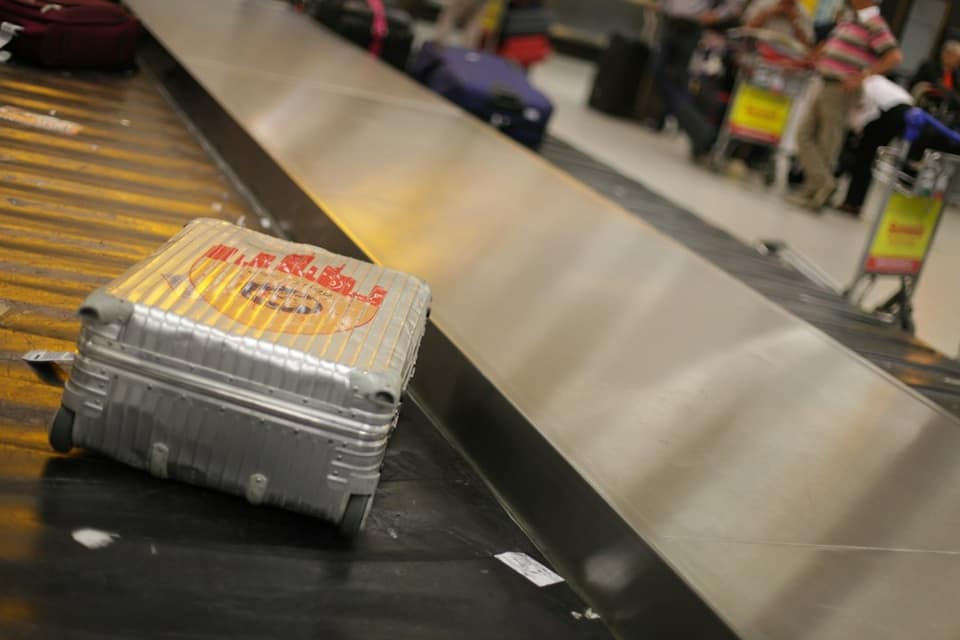
A suitcase arrives at the airport with a broken frame. The traveller gets a report from the airline before leaving the terminal. The insurer works out the value of the case under its own rules. It takes off the baggage excess and pays the rest, up to the limit for one item. If the plan takes the excess per item, two damaged items mean two excesses.
A phone left on a table at a food court
A traveller leaves a phone on a table while queuing for food, and it is taken. The phone was left unattended in a public place, which is a common exclusion. The claim is declined. The excess never comes into it, because there is no covered amount to take it from.
In summary
The excess is the part of a covered claim the policyholder pays, and it only matters once a claim is accepted. It differs between plans in size, in which benefits carry it, and in whether it is taken per claim, per event or per person. A higher excess generally lowers the premium, so it is worth checking alongside the price when comparing plans on the travel insurance page.