Argentina is a very large country. A two-week trip usually covers two or three regions, not all of them. This list starts with the classics and moves to the quieter places. Each entry covers what it is, who it suits and when to go. Use it to pick a route that fits your time and pace.
The journey from Changi is long. Plan an easy first day in Buenos Aires before you take on anything big.
1. Plaza de Mayo and the historic centre
Plaza de Mayo is the main square of Buenos Aires. The Casa Rosada, the Metropolitan Cathedral and the old Cabildo stand around it. It is a good first stop for the city's history and is easy to walk. It suits everyone, including families with children in strollers.
When to go: Weekday mornings, when the square is calmer.
2. Recoleta Cemetery
This cemetery is a maze of marble tombs and narrow lanes in the Recoleta district. Many well-known Argentines are buried here, including Eva Perón. It suits solo travellers and couples who like history and architecture. Older children may enjoy it as a walk, but younger ones may find it dull.
When to go: Early in the day, before tour groups arrive. Check opening times before you go.
3. San Telmo and its Sunday fair
San Telmo is one of the oldest neighbourhoods in Buenos Aires. It has cobbled streets, old houses and a covered market. On Sundays, a large street fair runs along Defensa Street, with antiques, crafts and buskers. It suits couples and solo travellers who like to browse.
When to go: Sunday, from late morning. Arrive early if you want to avoid the busiest part of the day.
4. La Boca and Caminito
La Boca is the old port district, known for its brightly painted houses. Caminito is a short street at its centre, with street art and tango dancers. It is very photogenic and popular with families. Stay on the main tourist streets, and check local advice on which areas to visit.
When to go: Daytime. The area is quieter and less lively after dark.
5. Palermo's parks and streets
Palermo is the city's largest district. It has wide parks, a rose garden, a Japanese garden and lakes where you can hire pedal boats. The side streets of Palermo Soho are full of murals and small squares. It suits families who need space to run around, and couples who like a slow afternoon.
When to go: Weekends, when locals fill the parks. Spring and autumn are the most pleasant for walking.
6. Tango in the city
Tango began in Buenos Aires, and you can see it in many forms. Street dancers perform in Plaza Dorrego in San Telmo and along Caminito. Local dance halls, called milongas, welcome visitors to watch or join a beginners' class. Couples tend to enjoy a class most, but solo travellers are common at milongas too.
When to go: Evenings. Milongas often start late, so check times before you go.
7. Iguazú Falls
Iguazú is a huge system of waterfalls in the subtropical north-east, on the border with Brazil. Walkways take you above and below the falls, and a short train runs inside the national park. The Devil's Throat viewpoint is the most dramatic part. It suits all travellers, and the trails are manageable for most families.
When to go: Any time of year. Water levels vary, so check conditions before you go. Expect to get wet near the falls.
8. Perito Moreno Glacier
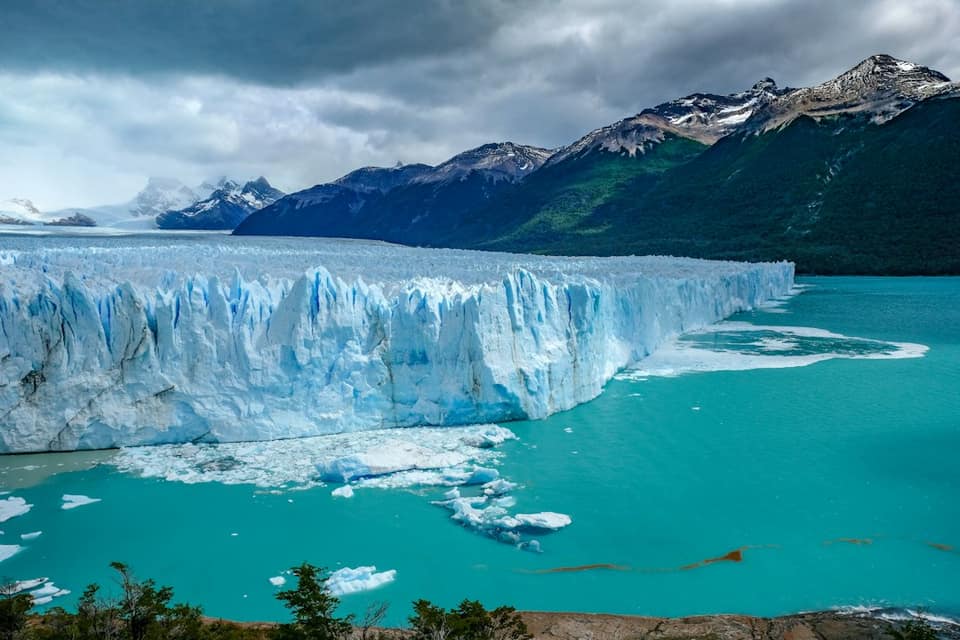
This glacier sits in Los Glaciares National Park, near the town of El Calafate in Patagonia. Walkways face the ice wall, and you may see large chunks break off into the lake. Boat trips go closer to the face. It suits everyone, as the main walkways are well built.
When to go: The warmer months. Patagonia is cold, humid and very windy, so pack layers whatever the season.
9. El Chaltén and Mount Fitz Roy
El Chaltén is a small town known as a base for hiking. Trails lead to lakes and viewpoints below the jagged peak of Mount Fitz Roy. Many walks are day hikes, so you do not need to camp. It suits active solo travellers and couples. Families with older, fit children can manage the shorter trails.
When to go: The warmer months. Weather changes fast, so check the forecast each morning.
10. Bariloche and Nahuel Huapi National Park
Bariloche sits on the shore of Nahuel Huapi Lake in northern Patagonia. The area has lakes, forests, viewpoints reached by chairlift and scenic drives. In winter it becomes a ski area. It suits families, as there is a lot to do at an easy pace.
When to go: Summer for lakes and walks. Winter runs from 21 June to 20 September, with snow in the Andes. That overlaps with the June school holidays in Singapore, which suits families keen to see snow.
11. Mendoza's wine country
Mendoza lies at the foot of the Andes in the west. It is the country's best-known wine region, with vineyards spread across wide valleys. You can cycle between some estates or join a day trip. The mountain road towards Aconcagua, the highest peak in the Americas, is a scenic outing. Wine tours suit couples best, while the mountain drive suits families too.
When to go: Autumn, for the harvest season and warm days. Check road conditions in winter, when snow can close mountain passes.
12. Salta and the Quebrada de Humahuaca
The far north-west feels very different from Buenos Aires. Salta has colonial buildings and a lively main square. North of it, the Quebrada de Humahuaca is a valley of red and striped hills. The village of Purmamarca sits beside the Hill of Seven Colours. It suits couples and solo travellers on a road trip. The high altitude can be tiring, so families should pace the days.
When to go: The dry, cooler months are usually easiest for driving. Check road and weather conditions before you set off.
13. Ushuaia and Tierra del Fuego National Park
Ushuaia is a port town at the southern tip of the country. Boat trips sail the Beagle Channel past sea lion colonies and small islands. The nearby national park has coastal walks through forest and along bays. It suits families and couples who want to feel they have reached the end of the map.
When to go: The warmer months for boat trips and walks. Winter brings snow and short days.
14. An asado and empanada trail
Food is one of the easiest ways into Argentina. An asado is a slow grill of beef and sausages, often shared over a long meal. Empanadas, small baked or fried pastries, change filling and style from region to region. Try them in Salta, Tucumán and Buenos Aires to compare. Think of it like a hawker food trail across the country. It suits everyone, and families will find plenty of simple options for children.
When to go: Any time. Dinner is usually served late, so plan snacks for younger children.
Before you go
Seasons are the reverse of Singapore's calendar view of the northern hemisphere. Winter runs from 21 June to 20 September. Patagonia is cold, humid and very windy, so pack warm, windproof layers for the south.
Save these numbers in your phone:
- 911 for an ambulance or police. In Buenos Aires, 911 has an English service.
- 100 for fire.
- 107 for SAME medical emergencies in the City of Buenos Aires and parts of Buenos Aires province.
- 103 for civil defence.
- 0800 999 5000 for the tourist police.
Singapore has no resident embassy in Argentina. The accredited embassy works from MFA in Singapore, on +65 6379 8000. That number is also the emergency contact.
Check entry rules and any other requirements before you book. MFA's travel advice for the country is linked from the Argentina price page.
Before you go: travel insurance for Argentina
Before you fly, get your travel insurance through Shenton Brokers for your trip. Compare travel insurance for Argentina to see today's prices from every insurer we compare, with the destination's travel notes and MFA's latest advice. Or get a quote for your own dates.
Buy it as soon as you book: trip cancellation pays only for events after the policy starts.