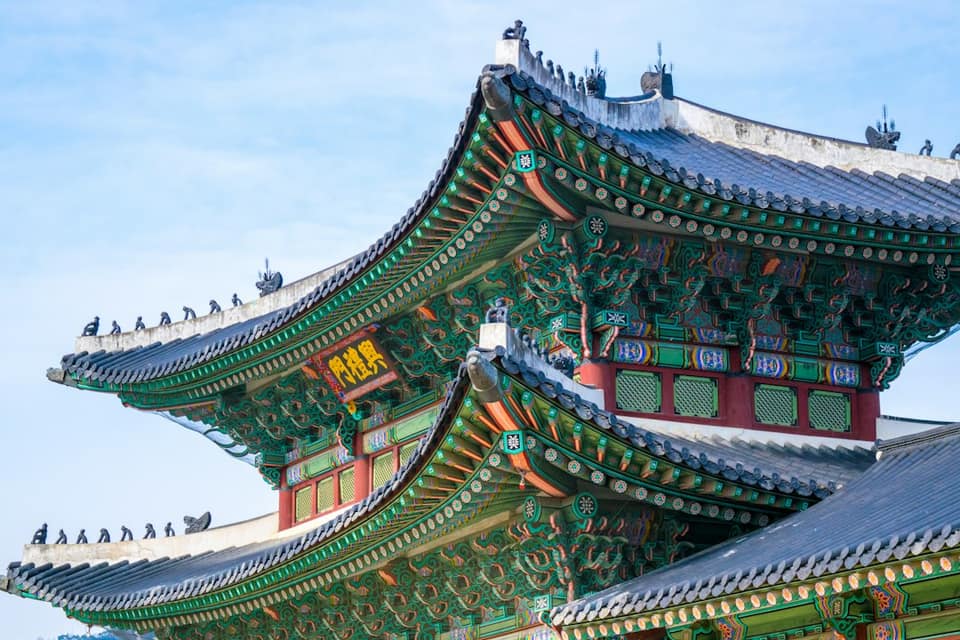
South Korea is a popular choice for Singapore families. The food is familiar enough for picky eaters. Cities are clean and the trains are easy to use. There is plenty to do outdoors when the weather is kind.
This is a sample plan, not a fixed schedule. It assumes a week, a base in Seoul and children under school age or in lower primary. Change it to suit your children's ages, naps and moods.
When to go with children
The season shapes the whole trip, so start here.
- Summer is hot and humid, and August is the hottest month. It will feel close to home, but with more walking.
- The rainy season runs from late June to late July. If you travel in the June school holidays, expect some wet days.
- Typhoon season runs from June to October. Keep a loose plan and some indoor backups.
- Winter is cold and dry, often below zero, with snow. For children from Singapore, snow can be the highlight of the trip. It also means heavy layers and shorter days out.
Spring and autumn are often easier for walking with small children. Check the forecast close to your dates either way.
A pace that works with children
The biggest mistake is planning a Seoul trip like an adult trip. Children tire faster in a new place. Long subway rides, hills and queues add up.
A few habits help:
- One base. Stay in one area of Seoul for the whole week. Packing up every two days is hard with small children.
- One big thing a day. Do it in the morning, when everyone is fresh.
- Protect the nap. Head back for a rest after lunch, or plan a stroller nap during a quiet walk.
- Leave gaps. A playground or a riverside park can fill a whole afternoon.
The flight from Changi is a long day for little ones. Plan nothing on arrival day except food and sleep.
A sample week in Seoul
- Day 1: Arrive, check in, find a simple dinner near where you stay.
- Day 2: Gyeongbokgung Palace in the morning. Walk slowly through Bukchon Hanok Village if the children still have energy.
- Day 3: Seoul Grand Park or Children's Grand Park. Bring snacks and plan for a full morning.
- Day 4: The National Museum of Korea, which has a section for children. Finish with a picnic at a Han River park.
- Day 5: Namsan in the morning for city views. Namdaemun Market or Gwangjang Market for lunch and snacks.
- Day 6: A slow day. Seoul Forest, a playground and an early night before the flight.
- Day 7: Pack, have a long breakfast and head to the airport.
If your children travel well, you could add Busan by high-speed train. It works better on a longer trip than squeezed into a week.
Sights and outdoor places families usually enjoy
Gyeongbokgung Palace is big, open and full of gates and courtyards to explore. Children often like the guard ceremony at the main gate. Check the timing before you go, as it can change.
Bukchon Hanok Village has old wooden houses on narrow lanes. People live here, so keep voices low. The lanes are steep, which is tiring for little legs.
Han River parks such as Yeouido Hangang Park are good for running around. There are wide paths, open lawns and space for a picnic. Evenings by the river can be pleasant in warmer months.
Seoul Forest has lawns, play areas and shaded paths. It is a good choice for a day when you need fewer plans.
Seoul Grand Park and Children's Grand Park have animals, gardens and play areas. These suit children who need to move.
Cheonggyecheon is a stream that runs through the city centre. Children like the stepping stones and the water. Keep close hands near the edge.
Namsan gives you views over the city. Going up can be a long walk with small children, so check the easier ways up before you go.
If you head to Busan, Haeundae Beach is an easy, open space for sandcastles. Gamcheon Culture Village is colourful but hilly, so a carrier works better than a stroller.
Rainy-day and hot-day options
With rain in early summer and heat in August, you need indoor backups.
- Museums. The National Museum of Korea is large, calm and air-conditioned. The children's section is a good place to start.
- Underground walkways. Many subway stations connect to underground shopping streets. They are dry and cool, and easy for a quick walk with the stroller.
- Indoor play. Seoul has many indoor play spaces and kids' cafes. Search near where you stay, and check age limits and booking rules before you go.
- Early starts. In summer, go out early, rest indoors at midday and head out again in the evening.
In winter, the same indoor list works for cold days. Keep outdoor time short and plan warm stops along the way.
Eating with children
Korean food can be easy for children if you know what to ask for. Much of it is spicy, but plenty is not.
Gentler dishes that children often like:
- Gimbap: rice rolls with fillings, easy to eat on the go.
- Mandu: dumplings, steamed or fried.
- Juk: rice porridge, a good choice for tired or unwell children.
- Bibimbap: rice with vegetables. Ask for the chilli paste on the side.
- Hotteok: a sweet filled pancake sold at markets.
- Korean barbecue: grilled meat with rice. Watch little hands near the hot grill at the table.
Side dishes arrive at many meals. Some are spicy, so taste first before giving them to your child.
Some places have floor seating. This can be easier for crawling babies but harder with a stroller. Convenience stores are useful for milk, yoghurt, bread and snacks between meals.
Markets are fun for snacks, but crowded at peak times. Go earlier in the day with small children.
Getting around with a stroller
Seoul's subway is clean and well signed in English. A rechargeable transport card saves buying tickets each time.
With a stroller, keep these in mind:
- Lifts. Many stations have lifts, but not every exit does. Look for the lift exit before you head up.
- Long walks inside stations. Transfers can mean long corridors. Factor this into your timing.
- Rush hour. Trains get very full. Avoid peak commuting times if you can.
- Hills and steps. Bukchon, Namsan and parts of Busan are steep. Bring a baby carrier for these.
- Palace grounds. Some paths are gravel or uneven. A sturdy stroller copes better than a light one.
Taxis are useful when everyone is tired. Car seats are not always available, so think about what suits your child's age.
A light, foldable stroller plus a carrier is a good mix for most families.
What to pack for the children
Pack for the season first.
For winter:
- Thermal inner layers, a warm jacket, hat, gloves and scarf
- Waterproof shoes or boots if you want to play in snow
- A stroller footmuff or warm blanket
- Lip balm and moisturiser for the dry air
For summer:
- Light, breathable clothes and a sun hat
- Sunscreen and insect repellent
- A rain cover for the stroller and light rain jackets
- Water bottles, refilled often
All year:
- A baby carrier for hills and crowded spots
- Snacks your child already likes, for the flight and long days
- Any regular medicines, plus fever and tummy medicine
- A small bag of toys or books for queues and meals
- Spare clothes in your day bag
If someone gets sick or hurt
Save these numbers on your phone before you fly:
- Police: 112
- Fire and ambulance: 119
- Infectious disease emergencies: 1339
- Korea Travel Hotline: 1330, or +82-2-1330. It answers in English and Chinese.
Korea's tourism organisation says visitors who are not residents are not eligible for local health cover there. Plan how you would handle a clinic or hospital visit before you go.
The Embassy of the Republic of Singapore in Seoul is on +82 2 774 2464 or 774 2465. For urgent matters after hours, the duty officer is on 010-7204-6240 within Korea, or +82-10-7204-6240 from abroad.
Before you go
Check entry rules and the latest advice for your dates. You will find MFA's travel advice on the South Korea price page.
Keep the plan light, keep snacks close and leave room for rest. A slow week in Seoul can give your children plenty to remember.
Before you go: travel insurance for South Korea
Before you fly, get your travel insurance through Shenton Brokers for the whole family. Compare travel insurance for South Korea to see today's prices from every insurer we compare, with the destination's travel notes and MFA's latest advice. Or get a quote for your own dates.
Buy it as soon as you book: trip cancellation pays only for events after the policy starts.