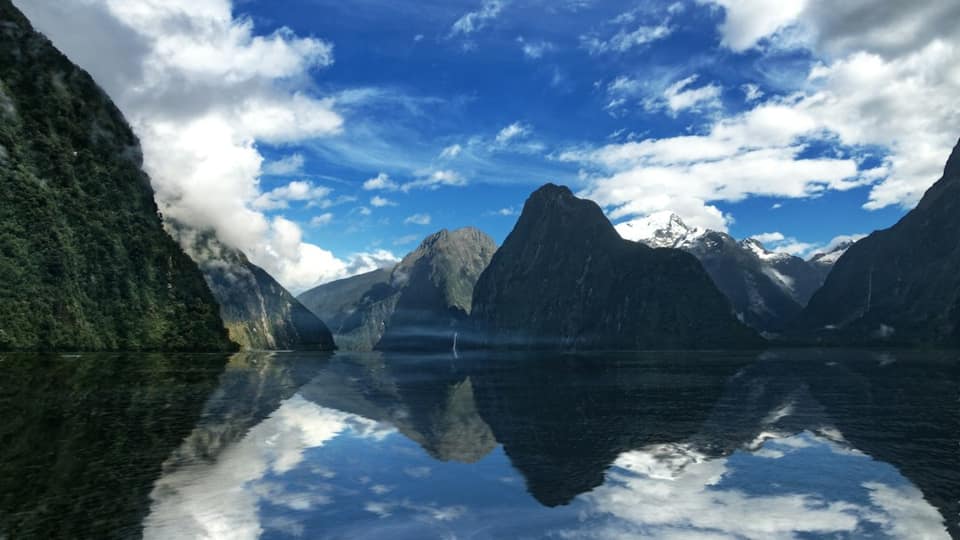
New Zealand is the kind of place Singaporeans talk about for years after one trip. Think mountains, lakes, sheep and a lot of open road, with far fewer people than a Saturday on Orchard Road. It is also far from home. The weather can turn fast, and the roads feel nothing like the PIE. A bit of planning goes a long way.
This guide is a sample checklist for a first-time visitor flying out of Changi. It covers getting there and around, money, phones, manners, food, and what to do if something goes wrong. Some details change often, like fares and entry rules. For those, the guide tells you to check before you go rather than guess.
When is the best time for you to go?
Seasons in New Zealand run the opposite way to the northern half of the world, so the year-end school holidays land in their summer. Winter is usually June to August, and storms can bring heavy rain, ice and snow with little warning. That suits you if you want snowy peaks, but it is also the most hazardous time of year for driving. Whatever month you pick, pack layers, because a cold snap can feel like the Changi arrival hall air-con on full blast.
How do you get there from Changi?
Flights leave Changi for New Zealand's main airports, with Auckland and Christchurch the usual entry points. Some routes are direct and some stop along the way, so journey times and fares vary a lot. Check the latest options when you book, and compare a few dates if your leave is flexible. Choose your arrival city based on which island you want to see first, so you avoid a long backtrack.
How will you get around once you land?
New Zealand has two main islands, the North Island and the South Island, and a ferry across Cook Strait links them. Between cities you can fly, take an intercity coach, ride a scenic train on some routes, or drive yourself. There is nothing like the MRT outside the bigger cities, so public transport thins out quickly in the countryside. If you want to reach lakes, glaciers and small towns on your own schedule, a rental car or campervan is the common choice.
What should you know about driving there?
Many first-timers plan a road trip, and the scenery makes it tempting. Roads can be narrow, winding and quiet, and driving often takes longer than the map suggests, so leave slack in your plan. In winter, expect frost and ice throughout the country, and check road and weather updates each morning before you set off. Before you fly, check whether your Singapore licence is accepted and what paperwork you need.
How do you pay for things?
New Zealand uses its own currency, the New Zealand dollar. Cards and contactless payments are widely accepted in cities and towns, but carry a little cash for small rural stops, markets and honesty boxes at roadside fruit stalls. Tell your bank about your trip so your card is not blocked for unusual activity. Exchange rates and card fees change, so check them before you go.
How will you stay connected?
You can buy a local SIM card or eSIM when you land, or turn on a roaming plan from your Singapore telco before you leave. Prices and data allowances vary, so compare them ahead of time. Mobile coverage is good in towns but can drop out on mountain roads and in national parks. Download offline maps before long drives, and pack a plug adaptor, because New Zealand sockets are a different shape from the ones at home.
What local customs should you keep in mind?
Māori culture is part of everyday life, and you will see te reo Māori words on signs and hear them in greetings. A simple kia ora works as hello, and it is polite to learn how to say place names properly. If you visit a marae, follow your host's lead, which often includes taking your shoes off before going inside. Tipping is not expected the way it is in some countries, though you can leave a little extra for great service.
What food should you try?
Start with a meat pie from a bakery, fish and chips by the water, and lamb, which shows up on menus all over. Look out for a hāngī, a Māori meal cooked in an earth oven, and finish with pavlova or a scoop of hokey pokey ice cream. Eating out usually costs more than a hawker centre meal back home, so many visitors mix restaurant dinners with supermarket picnics. Coffee culture is strong too, and a flat white is the default order.
What does New Zealand's accident scheme cover?
New Zealand has a no-fault accident scheme run by ACC, and it covers visitors who are injured in an accident in the country. It does not cover illness, disrupted travel plans, emergency travel home or injuries in transit. So a fall on a walking track may be covered, but a bad bout of flu or a cancelled flight is not. Keep those gaps in mind as you plan your budget and your trip.
Who do you call in an emergency?
Dial 111 for police, fire or ambulance when you need an emergency response. Save it in your phone before you land, next to your accommodation address. If you are driving in remote areas, keep track of where you are, so you can tell the operator your location. For anything that is not urgent, ask your accommodation or a local visitor information centre for help.
Where is the Singapore High Commission?
The High Commission of the Republic of Singapore is in Wellington, at 17 Kabul Street, Khandallah. You can call it on +64-4-470-0850 or 470-0851. For emergencies, the contact numbers are +64-21-280-3161 or +64-4-470-0850. Screenshot these details so you have them even without data.
What paperwork should you check before you fly?
Entry rules, visa requirements and rules on what you can bring into the country can change. Do not rely on what a friend told you last year, and check the latest before you book and again before you fly. MFA's travel advice is linked from the New Zealand travel page, which is a good place to start. Keep digital and printed copies of your passport, bookings and key contacts in case your phone goes flat.
Before you go: travel insurance for New Zealand
Before you fly, get your travel insurance through Shenton Brokers for your trip. Compare travel insurance for New Zealand to see today's prices from every insurer we compare, with the destination's travel notes and MFA's latest advice. Or get a quote for your own dates.
Buy it as soon as you book: trip cancellation pays only for events after the policy starts.