The Maldives is often sold as a place for couples. It can also suit a family with young children. Most of the day is sand, shallow water and slow meals. The hard parts are the journey, the sun and the limits of life on a small island.
This is a sample plan for five calm days, starting and ending at Changi. Treat it as a starting point and shape it around your own children.
Why the Maldives can suit small children
Most visitors stay on one island for the whole trip. That means no daily packing, no long drives and no new bed every night. Young children often settle faster when the room, the beach and the meals stay the same.
The trade-off is that there is little to do in the city sense. If your children need a new attraction every day, think carefully. If they are happy with a bucket, a spade and a patch of shallow water, this can be an easy holiday.
You can stay on a resort island or on an inhabited local island with guesthouses. Resorts keep everything in one place. Local islands give you more everyday life, with less choice of food and facilities. Ask plenty of questions either way.
When to go
The Maldives has two monsoons. The southwest monsoon, the wet season, normally runs from mid-May to November. The northeast monsoon, the dry season, runs from January to March. December and April are transition months.
This matters for school holidays. The June holidays fall in the wet season. The year-end holidays start near the end of the wet season and run into the December transition.
A wet-season trip can still work. Plan for showers, keep some indoor time in reserve, and expect that a boat outing may be moved or cancelled on a windy day. Do not build the whole trip around one excursion.
A sample five-day plan
Day 1: Changi to your island. This is the hardest day. After the flight to Malé, you still need to reach your island. Depending on where you stay, that may be by speedboat, seaplane or a domestic flight. Ask your accommodation how the transfer works and how long it takes before you book. Plan nothing else. Dinner, bath, bed.
Day 2: Settle in. Spend the morning on the beach near your room. Come in before the midday sun. Nap or rest in the room. Go back out in the late afternoon for a paddle and a slow walk.
Day 3: Water day. Children who swim well can try snorkelling in the lagoon with an adult close by. Toddlers can sit in the shallows and watch small fish. If a short boat trip is on offer, this is a good day for it.
Day 4: Quiet day or a taste of Malé. If your island is close to the capital, a half day in Malé or Hulhumalé gives children a look at everyday life. If not, keep it slow. Build a sandcastle, read, swim.
Day 5: Home. Check your island transfer time against your flight. Leave a generous buffer. Pack the night before so the morning is calm.
The pace that works with children
One main thing a day is plenty. The sun is strong and the water is tiring, even when children do not feel it.
Clocks in the Maldives are behind Singapore. Small children may wake early for the first few days. Use it. Early morning is often the gentlest time on the beach, before the sand heats up.
Keep the middle of the day for shade, lunch and naps. Head back out when the sun drops. Try to keep bedtime and nap routines close to home. A rested child makes the whole family's day easier.
If you have a baby and an older child, take turns. One parent stays near the room for naps while the other takes the older child to the water.
Sights and outdoor places families usually enjoy
- The lagoon and the beach. For most young children, this is the whole holiday. Shallow, clear water lets them see their own feet and the fish around them.
- The jetty. Standing on a jetty and looking down at fish can hold a toddler's attention for a long time. Hold hands near the edges.
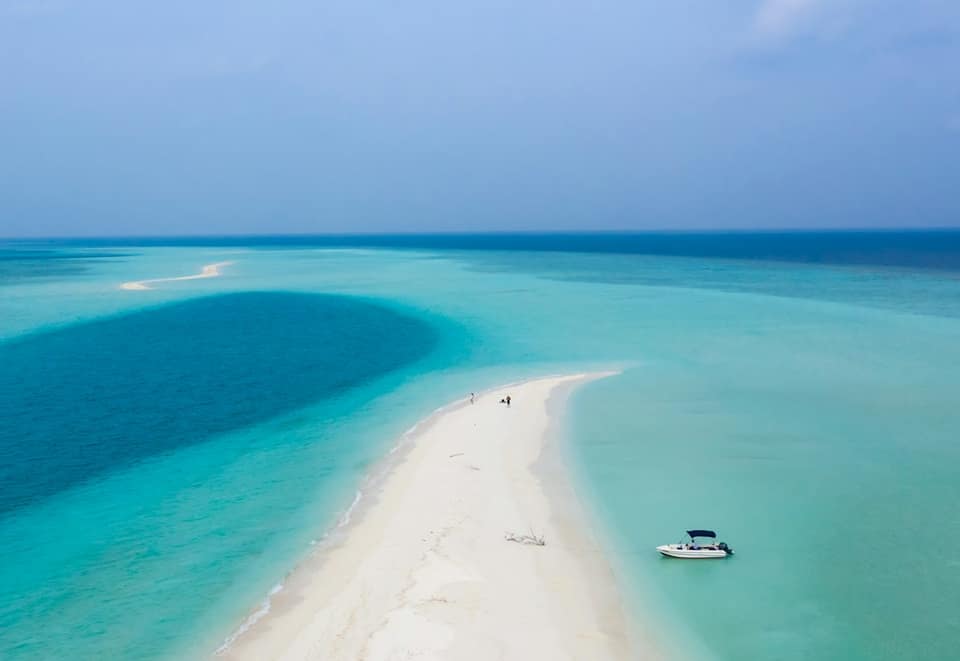
- A sandbank trip. Some islands offer boat trips to a sandbank. Children love the idea of an island made only of sand. There is usually no shade, so take hats, water and a cover-up.
- The fish market in Malé. Older children often find the catch and the bustle fascinating. It can be busy and smelly, so it is not for every child.
- Sultan Park and Republic Square. Open spaces in the capital where children can stretch their legs between sights.
- Hulhumalé beach. A long public beach on the reclaimed island next to the airport. Useful if you stay nearby or have time before a flight.
Hot-day and rainy-day options
There is no shopping mall to escape to on most islands. Plan your shade and indoor time in advance.
- Room time. Bring a few new books, a small set of toys and some downloaded shows. Save them for the hottest hours or a rainy afternoon.
- The National Museum in Malé. A cool, indoor stop if you are in the capital. Keep the visit short for little ones.
- Shaded spots. Look for covered decks, pool areas with umbrellas and trees near the beach. Ask the staff where the shade falls at different times of day.
- Kids' clubs. Some resorts run them. Check the ages they take and what is included before you rely on one.
On rainy days, a short walk in light rain can still be fun. Afterwards, a warm shower and a nap usually reset the mood.
Eating with children
On a resort island, every meal comes from the resort. There is no hawker centre round the corner. Look closely at meal plans before you book, and ask what children's options exist.
Maldivian cooking uses a lot of fish, especially tuna, along with coconut, rice and curry. Many children who eat fish soup and rice at home will find something they like. Ask for dishes without chilli when ordering.
Pack familiar snacks from Singapore for the journey and the first few days. Crackers, small packs of cereal and fruit pouches help with fussy moments. If your child has a food allergy, raise it with your accommodation before you arrive and again at each meal.
Ask what drinking water is provided in your room and at meals. Keep a bottle with you on the beach and on boats. Children in the sun need frequent drinks.
Getting around with a stroller
Sand and strollers do not mix. Wheels sink and paths on many islands are soft sand. A baby carrier or a sling is usually more useful once you arrive.
A light, compact stroller still helps at Changi and at the airport in Malé, and for naps in transit. Fold it before any boat transfer. You will need both hands for your child.
Boardwalks to water villas are flat, but there may be gaps and open edges. Keep small children close and hold their hands. If you stay in a water villa, ask what the railings and steps to the water are like.
In Malé, streets can be narrow and busy. A carrier makes a short visit simpler than a stroller.
What to pack for the children
- Sun protection. Long-sleeved swimwear, wide-brimmed hats, sunglasses and plenty of sunscreen. The sun on white sand and water is fierce.
- Water shoes. Coral and shells can be sharp underfoot.
- A cover-up for boats. A light long-sleeved top for transfers and sandbank trips.
- Medicines from home. Fever medicine, a thermometer, plasters, rehydration salts and anything your child takes regularly. Ask your doctor about motion sickness if boats are part of your plan.
- Insect protection. Repellent suitable for children, and light long clothes for evenings.
- Swim nappies for babies, since they may be hard to find.
- A dry bag for phones, snacks and spare clothes on boats.
- Rain jackets if you travel in the wet season.
- Comfort items. A favourite blanket or soft toy helps with sleep in a new room.
If someone gets ill or hurt
Islands are spread out, and help may be a boat ride away. Before you book, ask your accommodation what medical help is on the island and how they would get a sick child to a hospital.
Save these emergency numbers in your phone:
- Police: 119
- Fire and rescue: 118
- National Ambulance Service: 100
- Coast guard: 191
Singapore has no resident mission in the Maldives. Its High Commission to the Maldives is based at the Ministry of Foreign Affairs in Tanglin, Singapore. The number is +65-6379-8000. Keep it with your passports.
Before you book
Check entry rules and any health requirements for every family member, including babies. MFA's travel advice is linked on the Maldives price page. Look at it again closer to your departure date.
Then check the transfer from Malé to your island, the meal plan, and what children's facilities exist. Prices for transfers, meals and activities vary, so confirm them directly before you go. For other destinations and planning ideas, see the guides.
Before you go: travel insurance for the Maldives
Before you fly, get your travel insurance through Shenton Brokers for the whole family. Compare travel insurance for the Maldives to see today's prices from every insurer we compare, with the destination's travel notes and MFA's latest advice. Or get a quote for your own dates.
Buy it as soon as you book: trip cancellation pays only for events after the policy starts.