This is a sample 7-day plan for Japan. It starts in Tokyo, moves to Kyoto, takes a day trip to Nara and ends in Osaka. Use it as a base and change it to suit you.
At a glance
- Who it suits: one traveller or a couple on a first trip to Japan.
- Pace: steady. You see two or three places a day, with time to eat and rest.
- Route: Tokyo for three days, Kyoto for three days, then Osaka on your last day.
- Flights: you fly into Tokyo and out of Osaka. Look for an open-jaw ticket from Changi, or plan to return to Tokyo for your flight home.
Before you book, check the latest entry rules in MFA's travel advice on the Japan travel insurance price page.
Day 1: Arrive in Tokyo and explore Asakusa
- Morning: land at Narita or Haneda. Take the train into the city and leave your bags where you are staying.
- Afternoon: walk to Senso-ji, one of Tokyo's oldest temples. Browse the snack stalls on Nakamise Street on the way in.
- Evening: stroll along the Sumida River and look across at Tokyo Skytree lit up at night.
Tip: if you arrive tired after an overnight flight, keep this day light and sleep early.
Day 2: Shrines, fashion streets and Shinjuku
- Morning: visit Meiji Jingu, a large shrine set in a quiet forest. Go early, when the paths are calm.
- Afternoon: walk through Harajuku and Takeshita Street, then on to Shibuya. Watch the famous crossing from street level.
- Evening: head to Shinjuku. Walk the narrow lanes of Omoide Yokocho for grilled skewers, then see the city lights from the Tokyo Metropolitan Government Building.
Tip: Shibuya and Shinjuku are very busy at rush hour. Plan your train rides around it if you can.
Day 3: Markets, gardens and Ginza
- Morning: eat breakfast at Tsukiji Outer Market. Try fresh seafood, tamagoyaki and grilled snacks.
- Afternoon: walk to the Imperial Palace East Gardens, then cross to Ginza to browse the wide shopping streets.
- Evening: explore the area around Tokyo Station and pack for tomorrow's move to Kyoto.
Tip: some gardens and museums close on certain weekdays. Check the days before you go.
Day 4: Bullet train to Kyoto and Fushimi Inari
- Morning: take the shinkansen from Tokyo to Kyoto. Sit on the right side heading west for a chance to see Mount Fuji on a clear day.
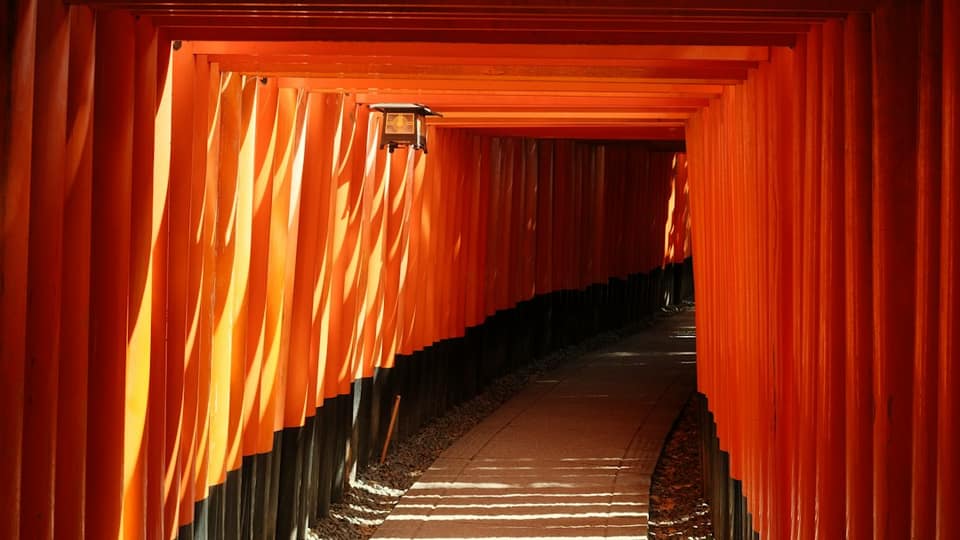
- Afternoon: visit Fushimi Inari Taisha and walk up through the tunnels of red torii gates. The higher you climb, the quieter it gets.
- Evening: walk through Gion and along Pontocho, a lantern-lit lane beside the Kamo River.
Tip: in Gion, stay on public streets and do not stop or photograph people in private lanes.
Day 5: Arashiyama and the Golden Pavilion
- Morning: start early at the Arashiyama bamboo grove before the crowds arrive. Then visit the gardens of Tenryu-ji.
- Afternoon: cross Togetsukyo Bridge, then take a bus or train to Kinkaku-ji, the Golden Pavilion.
- Evening: eat your way through Nishiki Market. Many stalls do not stay open late, so check before you go.
Tip: Kyoto's buses get crowded. Trains are often faster for longer hops across the city.
Day 6: Day trip to Nara
- Morning: take the train to Nara. Walk through Nara Park, where deer roam freely among the visitors.
- Afternoon: see the giant Buddha hall at Todai-ji, then follow the lantern-lined paths to Kasuga Taisha.
- Evening: return to Kyoto and walk the old sloping streets of Higashiyama, including Sannenzaka and Ninenzaka.
Tip: the deer can nip or push when they see food. Feed them only the crackers sold in the park, and keep bags closed.
Day 7: Osaka and home
- Morning: take the train to Osaka. Visit Osaka Castle and walk the park around its moat.
- Afternoon: head to Kuromon Market and Dotonbori for street food such as takoyaki and okonomiyaki.
- Evening: travel to Kansai International Airport for your flight back to Changi.
Tip: use station coin lockers or a luggage forwarding service so you are not dragging bags around Osaka.
Getting around
- Trains: Japan's rail network is the easiest way to move between and within cities. Signs at major stations are in English.
- IC cards: a rechargeable IC card works much like an EZ-Link card on the MRT. Tap in and out on trains and most buses.
- Shinkansen: reserve seats ahead in busy periods. Trains are punctual, so arrive on the platform early.
- Rail passes: a national rail pass may or may not save money on this route. Compare its price with single tickets before you buy.
- Luggage: forwarding services can send your bags from Tokyo to Kyoto. This frees your hands on the shinkansen.
- Cash: carry some yen. Many small shops and stalls take cash only, and clinics usually do too.
Fares and pass prices change, so check them before you travel.
When to go
- Spring and autumn: cherry blossoms and autumn leaves draw big crowds. The timing shifts each year, so check forecasts closer to your trip.
- Rainy season: it begins around May to June. Pack a light umbrella and plan indoor options.
- Summer: it is very hot and humid across Japan. Start early, rest at midday and drink plenty of water.
- Typhoons: August and September may bring typhoons that disrupt flights and trains. Leave some slack in your plans.
- Winter: the north gets heavy snow. Tokyo, Kyoto and Osaka are generally easier to reach in winter, but check conditions if you add a northern stop.
- Singapore school holidays: flights from Changi fill up fast. Book early if you travel then.
Useful numbers in Japan
Save these on your phone before you leave.
- Police: 110
- Fire and ambulance: 119
- Japan Visitor Hotline: 050-3816-2787. It runs 24 hours a day, every day, in English, Chinese and Korean.
- Embassy of the Republic of Singapore in Tokyo: (03) 3586 9111/2
- Embassy duty phones after office hours: 090 5949 6366 and 090 5258 3252. If you call from a non-Japanese number, dial +81 90 and drop the leading 0.
Medical costs in Japan can be very high. Visitors who leave hospital bills unpaid may be refused entry on a later trip, so keep enough cash or a card to settle any bill.
Before you go: travel insurance for Japan
Before you fly, get your travel insurance through Shenton Brokers for your trip. Compare travel insurance for Japan to see today's prices from every insurer we compare, with the destination's travel notes and MFA's latest advice. Or get a quote for your own dates.
Buy it as soon as you book: trip cancellation pays only for events after the policy starts.