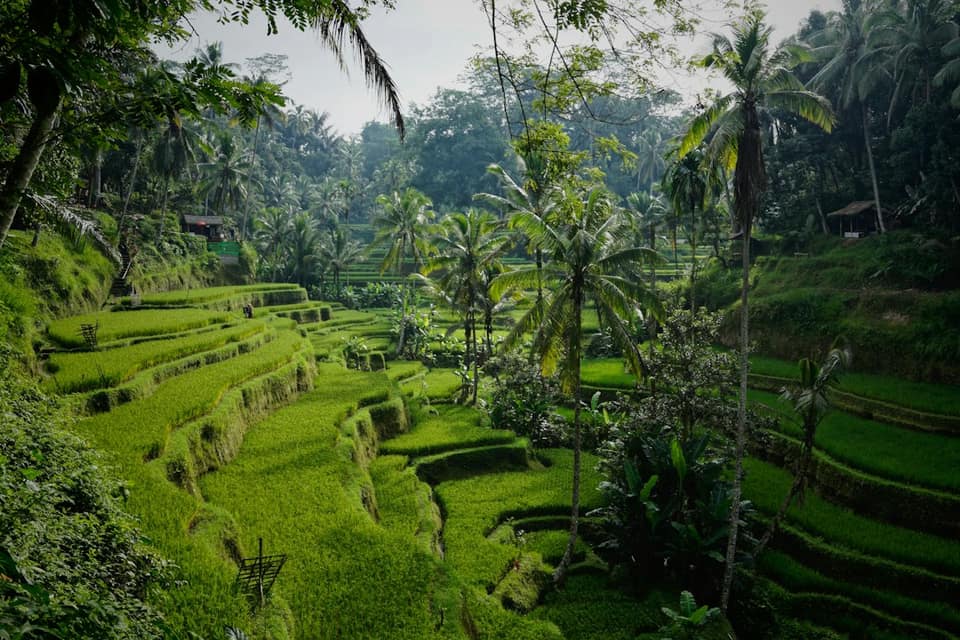
Bali is a short hop from Changi, so it suits long weekends as well as longer breaks. The weather follows two broad seasons. Knowing them helps you choose dates, pack well and set realistic plans.
This guide is a sample plan. It covers the seasons, what each one is good and bad for, the weather risks to plan around and how the Singapore school holidays fit.
Quick answer
In most of Indonesia, including Java and Bali, there are two seasons:
- Dry season: April to October
- Wet season: November to March
The dry season suits beach days, hikes and outdoor sightseeing. The wet season can still work if you plan for rain and keep your days flexible.
One point matters more than before. Global warming has made the seasons less predictable. Rain can come early or stay late, so treat the season dates as a guide, not a promise.
The two seasons at a glance
Indonesia is a large country with many islands. The two-season pattern applies to most of it, including the places Singapore travellers visit most, such as Bali and Java. Some areas may not follow the same pattern. If your trip goes beyond Bali and Java, check the weather for each place on your route.
The seasons do not change on a fixed day. The months at the edges, such as April, October and November, can bring mixed weather. Plan these months with a little extra room.
Dry season: April to October
What it is good for
- Beaches and coast: Days at Kuta, Sanur, Nusa Dua or the Nusa islands are easier to plan.
- Outdoor sights: Temples such as Tanah Lot and Uluwatu, and the rice terraces around Ubud, are easier to enjoy without rain.
- Hikes and volcano trips: Walks on Mount Batur or day trips into the hills are less likely to be cut short.
- Island hopping: Boat trips to nearby islands fit more neatly into a fixed plan.
- Longer road trips: If you plan to travel across Bali or into Java, dry roads make long days simpler.
What to watch for
- Busier periods: Dry months often draw more visitors. Popular sights can feel crowded.
- Prices: Flights and rooms can cost more at busy times. Prices vary a lot, so compare and check before you book.
- Sun: Bring sun cover, a hat and water for long outdoor days.
Wet season: November to March
What it is good for
- Quieter trips: Some periods may be less crowded, which can suit a slow, relaxed break.
- Indoor and covered plans: Spa days, cooking classes, museums and markets work in any weather.
- Green scenery: The rice terraces and hills are lush after rain.
- Short breaks: A long weekend with a loose plan can still work well.
What to watch for
- Heavy rain: Downpours can disrupt beach days, hikes and sightseeing.
- Boat trips: Rough weather can delay or cancel boat crossings. Leave a spare day if your plan depends on one.
- Road travel: Wet roads can slow travel times. Allow more time between places.
- Flight changes: Bad weather can delay flights. Avoid tight connections on the way home.
Weather risks to plan around
Whatever month you choose, a few habits help:
- Build in a buffer. Put the most weather-dependent activity, such as a sunrise hike or a boat trip, early in your stay. If it is cancelled, you have time to try again.
- Keep one flexible day. A free day lets you move plans around rain.
- Check the forecast daily. Look at it the night before and again in the morning.
- Pack for both seasons. A light rain jacket and quick-dry clothes are useful even in the dry months.
- Know the emergency numbers. Save them in your phone before you leave Singapore (see the list below).
- Check official advice. Before you go, read MFA's travel advice, linked from the Bali and Indonesia price page. It is the place to check entry rules, health requirements and any natural-disaster alerts.
How the Singapore school holidays fit
Many families in Singapore plan around the school calendar. Here is how the two main breaks line up with the seasons.
- Mid-year school holidays: These usually fall within the dry season months. They suit beach days, hikes and island trips. They are also a popular time to travel, so book early and expect busier sights.
- Year-end school holidays: These usually fall within the wet season months. Plan for rain, choose a base with covered things to do, and keep days flexible.
- Shorter term breaks: These can fall in either season. A short break is often a good time for a relaxed Bali stay.
School holiday dates change each year. Check the official school calendar before you book flights.
If you are booking now
The wet season starts in November. A trip in the coming weeks will likely fall in wet weather. If you want the best chance of dry days, look at dates from April onwards. If your dates are fixed, the wet season can still work with a flexible plan.
Emergency numbers in Indonesia
Save these before you travel:
- Police and general emergencies: 110, or 112 from mobile and satellite phones
- Ambulance: 118 or 119
- Fire: 113
- Search and rescue (BASARNAS): 115
- Natural disaster help: 129
The Embassy of the Republic of Singapore is on Jalan H R Rasuna Said, Kuningan, Jakarta. Call +62 21 5091 5400 or +62 21 520 1469. The emergency contact is +62 21 5091 5400. There are also Consulates-General in Batam and Medan.
Planning checklist
- Choose your season: dry (April to October) or wet (November to March).
- Check the Singapore school calendar if you travel with children.
- Read MFA's travel advice for Indonesia before you book and again before you fly.
- Put weather-dependent activities early in your trip.
- Keep at least one flexible day.
- Avoid tight flight connections in the wet season.
- Pack a light rain jacket, sun cover and quick-dry clothes.
- Save the emergency numbers and the Singapore Embassy contacts in your phone.
- Check prices for flights and rooms, as they vary by season.
Frequently asked questions
What is the best time to visit Bali?
The dry season, from April to October, is the easiest time for beaches, hikes and outdoor sights. The seasons have become less predictable, so some rain is still possible.
Is the wet season a bad time to visit Bali?
Not always. The wet season runs from November to March. Rain can disrupt outdoor plans and boat trips. If you keep your days flexible and plan some covered activities, a wet-season trip can still work well.
Do the seasons apply to all of Indonesia?
The wet and dry pattern applies to most of Indonesia, including Java and Bali. If you plan to visit other islands, check the weather for each place you will visit.
Which school holidays suit a Bali trip best?
The mid-year school holidays usually fall in the dry season, which suits outdoor plans. The year-end holidays usually fall in the wet season. Check the school calendar for exact dates each year.
Before you go: travel insurance for Bali and Indonesia
Before you fly, get your travel insurance through Shenton Brokers for your trip. Compare travel insurance for Bali and Indonesia to see today's prices from every insurer we compare, with the destination's travel notes and MFA's latest advice. Or get a quote for your own dates.
Buy it as soon as you book: trip cancellation pays only for events after the policy starts.