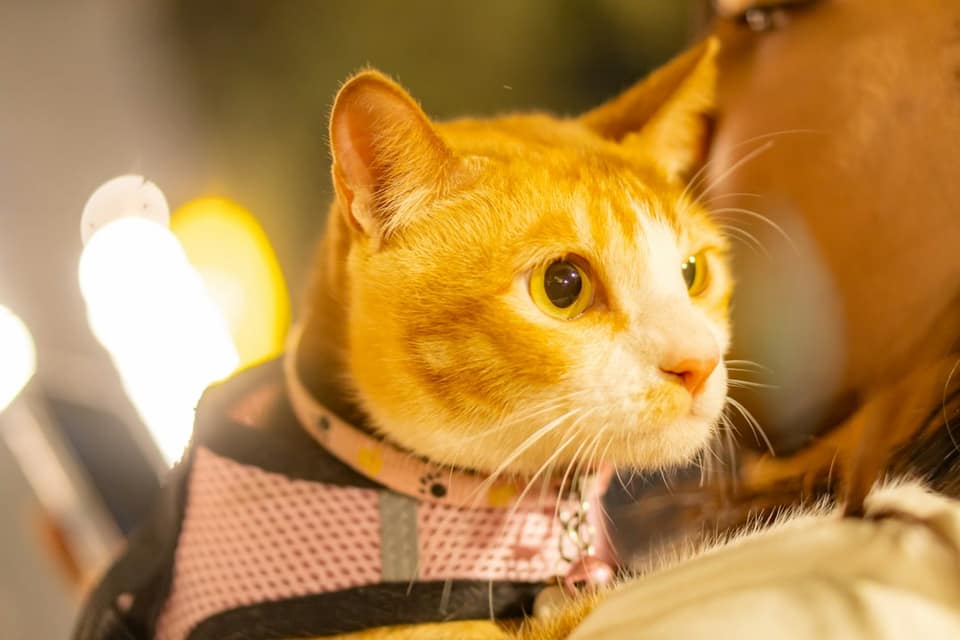
Pet insurance pays towards the cost of treating a dog or cat that is injured or falls ill. It also covers a few costs of owning a pet that are easy to overlook, such as harm the animal causes to other people. This guide explains what a typical plan pays for, what it leaves out, and how a claim is settled.
The cover exists because vet bills fall on the owner. A routine check-up is easy to budget for. An operation or a stay at a clinic is a different matter, and it tends to arrive without warning. Insurance spreads that risk across many owners in exchange for a yearly premium.
The details differ between insurers. This piece describes the cover in general terms. The later sections explain how to read a plan on the comparison page.
1. Who pet insurance is for
The plans compared here are for dogs and cats. Most insurers take new pets from 8 weeks up to about 8 or 9 years old. Cover usually continues after that age if the owner renews without a break. A gap in cover can make it harder to keep insuring an older animal.
Breed also matters. Some breeds are prone to costly conditions, so they cost more to insure. A few breeds sit on insurers' restricted lists and cannot be covered at all. Akitas and Pit Bull types are examples.
Microchipping is part of the picture too. The typical-price pages assume a pet that is microchipped and has no known conditions. Fewer insurers price a dog that is not yet microchipped.
2. Vet bills for accidents and illness
The main benefit is payment towards vet bills when a pet has an accident or becomes ill. This includes surgery. It is the part of the policy that deals with the large, unplanned bill.
Two limits shape this benefit. The first is the yearly vet-bill limit. This is the most an insurer pays in a policy year. Surgery for a large dog can use up most of a low limit, so the figure is worth reading closely. The limit differs between plans.
The second is the waiting period at the start of cover. Illness is usually only covered after the first few weeks. A condition that appears during that window may be treated as one the pet already had. The length of the waiting period differs between plans.
3. Liability, cremation and boarding
Most owners think only of vet bills. A policy of this kind usually goes further.
- Third-party liability. This pays if a pet hurts someone or damages property. In Singapore, many dogs live in HDB flats and condominiums. They share lifts, corridors, void decks and park connectors with neighbours, so a bite or a knocked-over cyclist is a real possibility.
- Cremation or burial costs. This helps with the cost of arrangements when a pet dies.
- Boarding fees if the owner is in hospital. This pays for someone to look after the pet while the owner cannot. It matters most in a household with one adult.
The amount paid under each of these differs between plans. Some plans may also offer them as optional extras rather than as standard cover.
4. What the policy leaves out
Insurance is built to pay for events that are uncertain. Costs that are known in advance, or risks the insurer cannot price, are usually excluded. The main exclusions are:
- Pre-existing conditions. Anything the pet already had before cover started is not covered.
- Routine care. Vaccinations, grooming and neutering are not covered. These are regular costs of ownership rather than accidents.
- Breeding, pregnancy and birth. Costs linked to breeding a pet are left out.
- Restricted breeds. Breeds on an insurer's restricted list cannot be covered at all.
The pre-existing exclusion is the one most likely to surprise an owner. A pet with an ongoing condition may still be insurable, but that condition will not be paid for. Some insurers cannot cover certain ongoing conditions at all. The comparison page says which insurers these are and why.
5. How a claim is paid
A claim rarely pays the whole vet bill. The owner usually carries part of each bill through a co-payment, an excess, or both.
A co-payment is the share of each vet bill the owner pays. A 10% co-payment on a S$1,000 bill means the owner pays S$100. An excess is also a part of each bill the owner pays, often set as a fixed amount. Both reduce the premium, because the insurer pays less on each claim.
After the owner's share is taken off, the insurer pays the rest, up to the yearly limit. Once that limit is reached, further bills in the same policy year fall back on the owner. The waiting period also applies, so an illness that shows up early in the policy may not be paid.
The exact process differs between insurers. It helps to keep vet invoices and treatment notes from the start. The Claims page explains how claims work in general and what to have ready.
6. How to read a plan on the comparison page
The comparison page lists plans from the lowest premium up. The premium is only one line on a plan. The other lines decide what is paid when something goes wrong.
When reading a plan, these are the points to check:
- The yearly vet-bill limit, and whether it suits the size of the pet
- The co-payment and the excess on each claim
- The waiting period before illness is covered
- Whether liability, cremation or burial, and boarding fees are included
- Any breed or condition the insurer cannot cover
Today's prices show how wide the range can be. As of 23 October 2026, six insurers price a microchipped dog with no known conditions, from about S$203 to about S$1,472 a year. Five insurers price a microchipped cat, from about S$156 to about S$1,177. Only two price a dog that is not yet microchipped, from about S$392 to about S$1,472. These are examples on the dog, cat and not-microchipped dog pages. They are not what any one owner will pay. A spread this wide is a reason to read what each plan pays, not only what it costs.
7. How comparing plans works here
The process starts on the pet insurance quote page. The owner describes the dog or cat and its health. Plans from each insurer on the panel are then priced and listed from the lowest premium up.
Some insurers cannot cover certain breeds or ongoing conditions. Where that applies, the page says which insurers are affected and why. This saves time for owners of restricted breeds or pets with a known condition.
When a plan is chosen, the purchase is finished on the insurer's own site. The answers already given are filled in there. The list of insurers on the panel is on the insurers page.
In summary
Pet insurance pays towards vet bills for accidents and illness, including surgery, and often covers third-party liability, cremation or burial, and boarding while the owner is in hospital. It leaves out pre-existing conditions, routine care such as vaccinations and neutering, breeding costs and restricted breeds. What a claim actually pays depends on the yearly vet-bill limit, the co-payment and excess, and the waiting period, so these are the points to compare between plans alongside the premium.